• 2 min read
Daily Digest: IFA’s push to make tech more useful at home — September 4, 2026
IFA 2026 coverage centered on connected devices, adaptable computers and robots built for more household tasks.

Today’s throughline is IFA 2026's attempt to turn familiar categories into more flexible tools for the home. From shared computing power to machines that tackle lawns, windows and fabric, the show floor suggested that the next pitch is less about a single device than how much more work it can take on.
Computing that stretches further
Nvidia made the clearest case for pooling what consumers already own: its RTX PAIR local cluster app distributes local agents across GPUs on a home network, cutting a demonstrated task from more than 18 minutes to just over nine. That is a practical performance claim rather than a new piece of hardware, and it set the tone for a day focused on extracting more range from existing form factors.
Lenovo pursued that flexibility in two different directions. The IdeaPad Vibe targets the MacBook Neo at $699 while offering AMD, Snapdragon and Intel configurations, upgradeable parts, OLED screens and seven colors. At the more experimental end, Project Swan expands a ThinkBook display from 14 to 17 inches, arriving alongside Lenovo’s new laptops, desktops and monitors.

Recommended reading
Daily Digest: Apple’s reach from earbuds to foldables — September 11, 2026
Sergey Kuznetsov • • 2 min read
The home as a robotics test bed
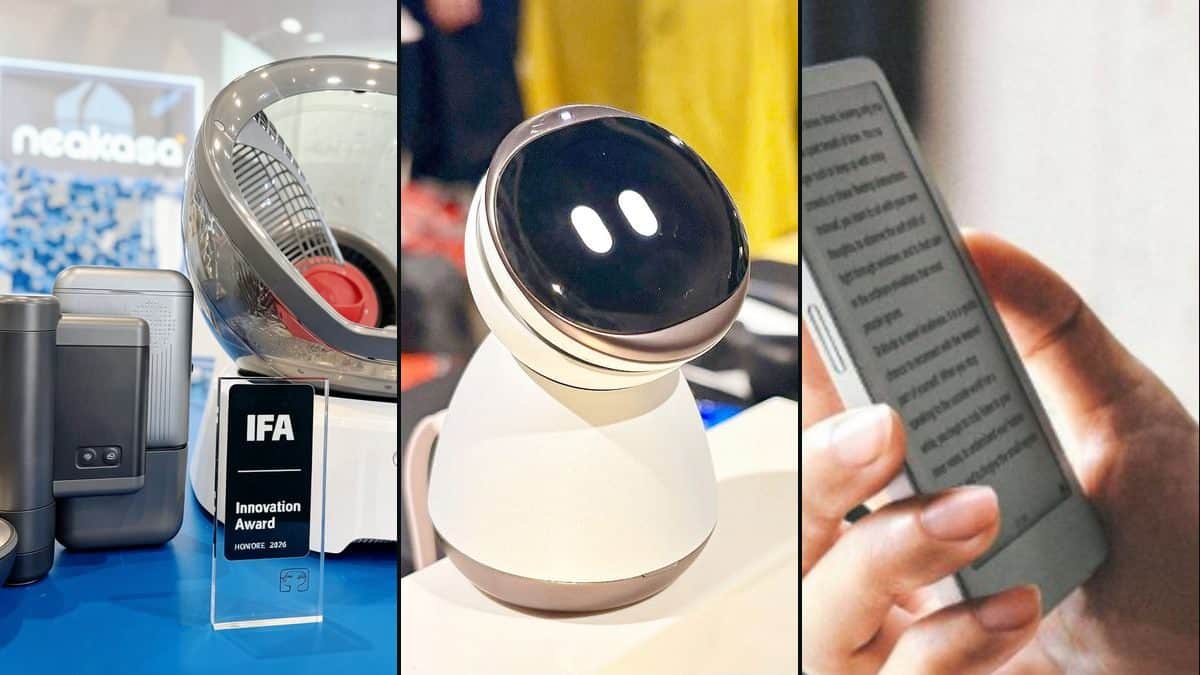
TCL’s connected-device ecosystem framed the broadest version of this idea, bringing phones, Mini LED TVs, appliances, audio gear, glasses and connected-home products together at IFA. ECOVACS, meanwhile, showed how a specialist can widen its remit: its robots beyond the floor cover windows, lawns, floors and pools, drawing on technology the company says is reusable across categories and a base of 38 million households.
The lawn became a particularly active frontier. Anker and Mammotion’s edge-trimming robot mowers add dedicated hardware intended to clean up a job that has challenged automated mowing, though US pricing and availability are still unresolved. Anker also reached indoors with a compact desktop fabric printer supporting DTG and DTF, but without a precise launch date or price.
Devices built around endurance and trade-offs
Personal hardware did not abandon the practical theme. Beyerdynamic’s Aventho Y headphones pair ANC with a replaceable battery, 90-hour battery life and a $149.99 price. Circular’s Ring 3 Pro and Ring 3 Slim add NFC payments and haptic alerts ahead of their 2027 launch, with ECG remaining on the Pro.
Motorola’s Edge 70 Plus makes its own calculation, combining a 200MP camera and 6,500mAh battery while accepting slower charging and less memory than the regular model. What we’ll watch next is whether the many products still missing firm pricing, availability or launch details can turn IFA’s broad promise into choices buyers can actually make.

Editor-in-Chief
Sergey Kuznetsov is Head of Product at iXBT.com, one of the largest Russian-language technology media outlets, and the founder of itzine.ru. He has spent over a decade building and running tech newsrooms. At for(geeks) he sets editorial standards and reviews what ships.