• 2 min read
Daily Digest: IFA’s connected future takes shape — September 3, 2026
Today’s IFA coverage tracked connected homes, ambitious hardware and the software systems shaping how people use them.
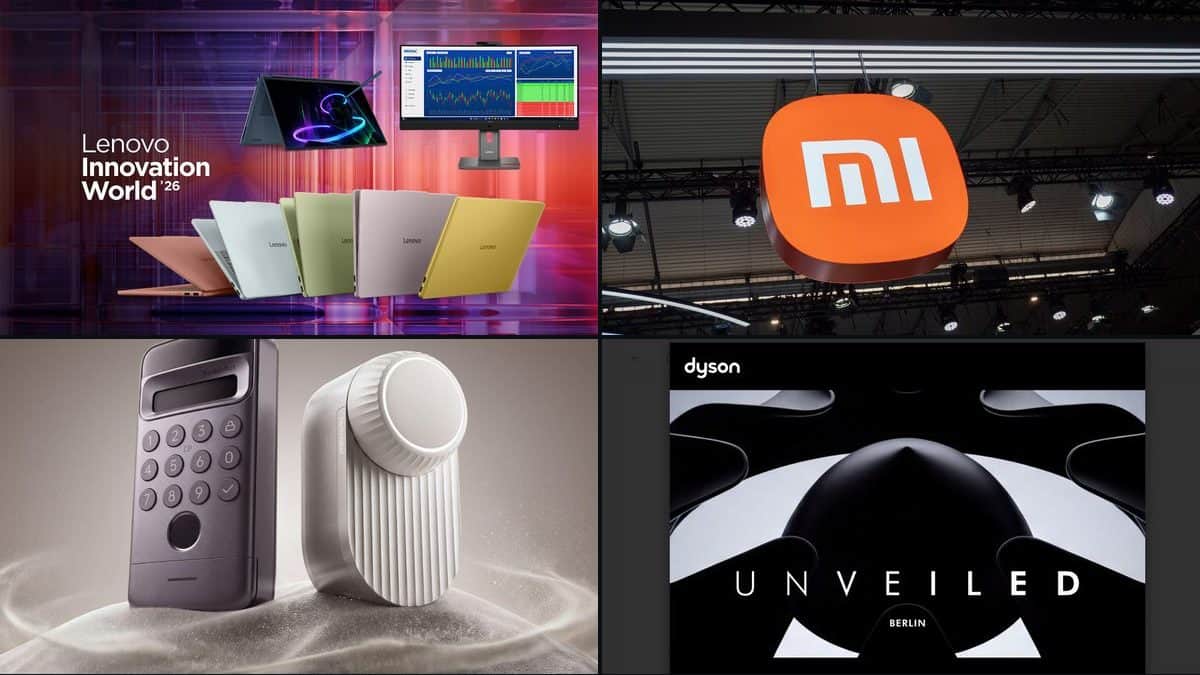
The throughline today is IFA 2026's push to make technology more integrated, from the appliances that clean our homes to the interfaces that manage them. The show also made clear that hardware ambition is running ahead of settled availability: several headline products still have unanswered US pricing or launch questions.
The home becomes a platform
Connected-home competition was especially visible in lighting, security and household management. Philips Hue’s latest launch pairs new automations with a lower-cost 4K sync box, camera-based TV syncing and Nanoleaf compatibility, while LG’s ThinQ ON expansion links energy tools and efficient appliances to a broader home-control vision. Anker, meanwhile, is consolidating Eufy and Soundcore under one banner, with its MindBase home hub and local-storage system among 22 announced products.
The physical home also got a wave of upgrades. SwitchBot’s Lock Ultra Max Vision Pro Combo offers 19 entry methods, spanning fingerprints, face recognition and palm-vein scans. Bosch pitched longevity with a 20-year washer-dryer, alongside new cooking and cleaning products, while Miele’s HX3 cordless vacuum adds revised balance, floor detection and a spinning-mop attachment. Roborock extended robotic cleaning beyond floors with new vacuums, a lawn mower and its first pool cleaner, though buyers in the US will need to wait for firmer pricing and availability.
Hardware pushes into new territory
Computing makers balanced experiments with durability. Lenovo’s IFA laptop and tablet lineup included RTX Spark machines, long-supported Yoga tablets, colorful IdeaPads and rollable and fanless concepts. Acer put the spotlight on the 799g Swift Blade 14 and repairable Vero 16, another launch where US pricing remains pending.
Elsewhere, Xiaomi used its debut to present the 18 Fold and a wider device ecosystem, including a robot, connected-home concepts and cars, without confirming US availability. Dyson brought an unusual personal-care hybrid in its CameraJet toothbrush-flosser, while AREX put dive data directly in a wearer’s view through its augmented-reality dive mask.

Recommended reading
Daily Digest: Apple’s reach from earbuds to foldables — September 11, 2026
Sergey Kuznetsov • • 2 min read
Beyond Berlin, today’s coverage showed software moving closer to everyday work and safety-critical decisions. Adobe’s creative tools inside Slackbot would let teams use Firefly, Photoshop, Illustrator and more from their conversations, and MIT and Motional’s CW-Net robotaxi explanation system aims to show safety drivers why a vehicle stops, including emergency braking near cyclists.
What to watch next is whether these connected ecosystems, experimental devices and new interfaces arrive with the regional availability and practical trust needed to move from show-floor promise to daily use.
A section byline, not a person: stories filed here by for(geeks) are held to the same editorial policy as every story we run.