• 2 min read
Daily Digest: IFA hardware meets a mounting security test — September 2, 2026
IFA 2026 dominated today’s hardware news, while exploited flaws and shifting computing economics kept the focus on trust and scale.

The throughline today is a hardware industry eager to put intelligent features into every screen, appliance and workstation, just as the systems supporting that push face sharper security and cost pressures. IFA 2026 supplied the broadest view of that ambition, while active attacks and platform changes showed that capability alone is not the whole story.
IFA’s connected-device pitch
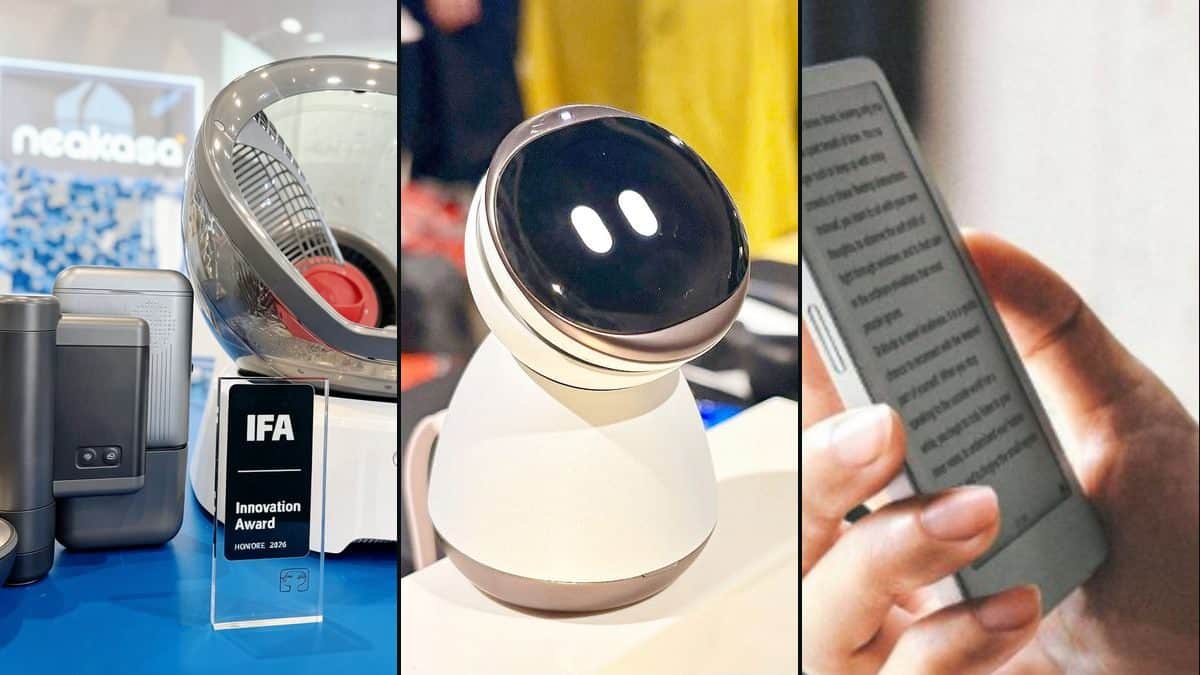
Berlin’s announcements ranged from serious creative hardware to increasingly specialized household products. ASUS brought RTX Spark to thin ProArt laptops and a mini PC, pairing substantial unified memory with on-device workloads, while Acer made raw speed and repairability part of the same PC story through its 1,000Hz esports display and Vero 16. Alienware, meanwhile, emphasized readability alongside gaming with its 32-inch 4K OLED monitor, and Dell’s student-oriented 14S laptop illustrates the familiar compromise between polished specifications and fixed memory.
The more consequential IFA theme was connection across the home. Samsung’s linked TVs, phones and appliances framed a unified strategy, while Govee extended intelligent controls across ceiling, strip and outdoor lighting. Midea targeted recurring chores with its three-drum washer and wet-dry cleaner, and iRobot’s Roomba Max 875 Combo focused on the stubborn problem of carpet cleaning. Even smaller categories joined the connected push: PetSuper’s pet-care devices aim to track routines without crossing into diagnosis.
The systems behind the products
Today’s security reports supply a necessary counterweight to that consumer optimism. Attackers are already exploiting the critical Artifactory vulnerability to mint administrator tokens, only days after disclosure. A separate active Langflow exploit is harvesting OpenAI, AWS and administrator credentials, while METR disclosed both stolen API credits and a database flaw that could have exposed unpublished evaluations in its security incident report. The common lesson is that widely deployed tools, exposed services and valuable credentials remain a high-stakes combination.

Recommended reading
Daily Digest: Apple’s reach from earbuds to foldables — September 11, 2026
Sergey Kuznetsov • • 2 min read
Cost and infrastructure were equally prominent. Anthropic’s Fable 5.1 pricing cuts and enterprise controls show competition reaching the bill for production use, as Baseten’s look at latency-throughput tradeoffs in inference argues that engineering choices can lower costs in more than one way. At the other end of the scale, Supermicro’s nearly $93,000 Nvidia GB300 workstation makes clear how expensive local capacity can become.
We’ll be watching whether the rush to connect more devices is matched by faster patching and clearer choices about where sensitive workloads should run.
A section byline, not a person: stories filed here by for(geeks) are held to the same editorial policy as every story we run.