• 3 min read
Daily Digest: Pressure builds around AI’s power and reach — August 24, 2026
Today’s coverage tracked AI’s widening reach, from youth rules and creator claims to cloud economics, security tactics and device competition.

The throughline today is that AI’s expansion is no longer just a question of model performance. It is pressing into rules for young people, rights for creators, the economics of computing infrastructure and the devices people buy and use. At the same time, several stories showed how fragile, contested and commercially consequential that expansion can be.
Rules, rights and reliability
New Zealand’s proposal to bar under-16s from major social platforms and AI companions puts a hard edge on the debate over youth access, backing the plan with potentially steep penalties. The proposal treats both established social apps and companion products as part of the same policy problem: what services should be available to children and on what terms.
Control over the underlying material is also moving toward the courts. A Connecticut streamer’s suit against Twitch and Amazon over alleged training use of streams seeks class-action status, bringing creator permission to the center of the dispute. And even as companies depend on these services, the Claude outage affecting several models before recovery was a reminder that capability is only useful when it is available; Anthropic restored service without explaining the capacity errors.
Computing, security and the cost of scale
The commercial race is increasingly being decided beyond the chip itself. Our look at how GPU neoclouds are pricing power ahead of silicon found CoreWeave, Nebius, Lambda, Crusoe and Groq competing through power contracts, financing and pricing, underscoring the physical and financial constraints behind cloud capacity. On the performance front, GLM-5.3's benchmark result and Fire HD 10 rooting effort paired a perfect score across 28 tasks with a practical test involving four models.

Recommended reading
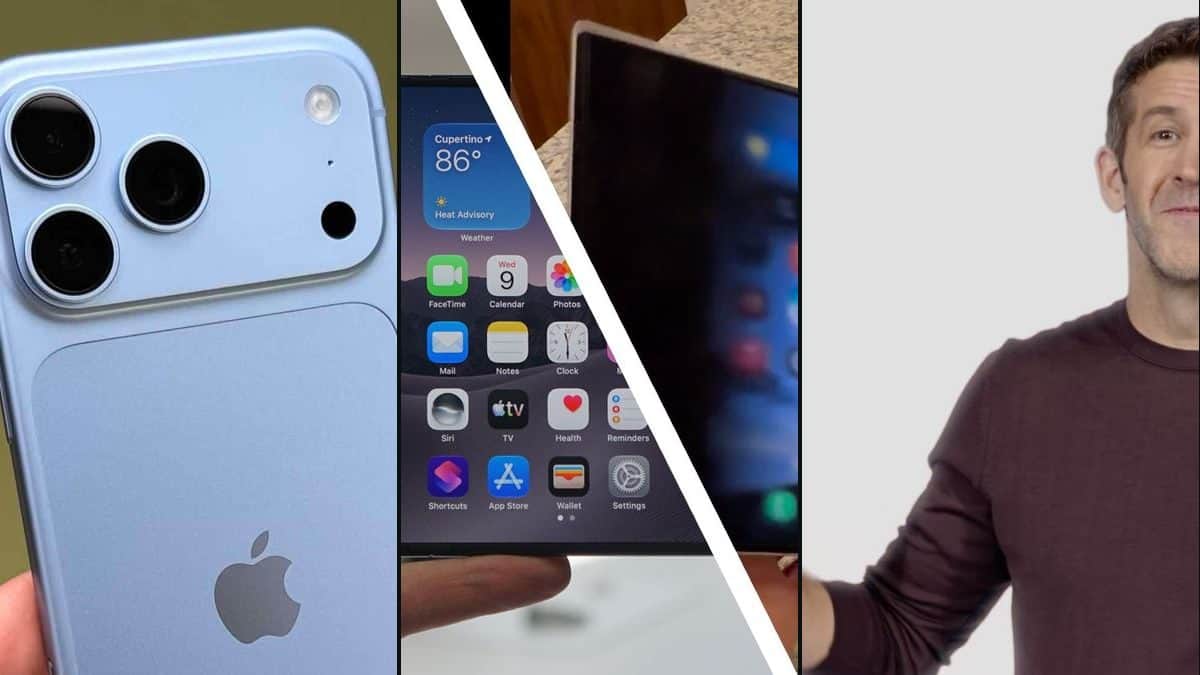
Daily Digest: Apple’s reach from earbuds to foldables — September 11, 2026
Sergey Kuznetsov • • 2 min read
Security researchers are also testing the economics of unwanted use. Layer3 Intel’s Tripwire approach to raising residential-proxy scraping costs can send up to 10MB through confirmed proxies, shifting metered-bandwidth costs onto scrapers rather than merely trying to block them.
Devices and the consumer edge
At the hardware edge, Samsung reportedly believes the Galaxy S27's Exynos 2700 could surpass next flagship Snapdragon chips in CPU, GPU and AI testing, making efficiency a central claim in the coming flagship contest. Budget-phone buyers face a more immediate choice in our realme P4 and Tecno Pova 7 Neo battery comparison, which tested two 7,000mAh, 45W, 120Hz contenders for two weeks.
Apple, meanwhile, is reportedly preparing retail space for a display-equipped HomePod alongside Apple TV and HomePod mini updates, with store accessory walls being redesigned for home products. Businesses remain eager to fund this broader shift: a Lloyds survey found in our coverage that UK firms say AI is creating jobs, while many plan more spending on tools and training.
Next, we will be watching whether proposed youth safeguards and creator-rights claims begin to set firmer limits on the same technologies businesses and hardware makers are racing to deploy.
A section byline, not a person: stories filed here by for(geeks) are held to the same editorial policy as every story we run.