• 3 min read
Daily Digest: Hardware’s AI boom meets real constraints
Google’s Pixel 11 launch led a day examining AI hardware demand, rising device prices, security threats and practical tech infrastructure.
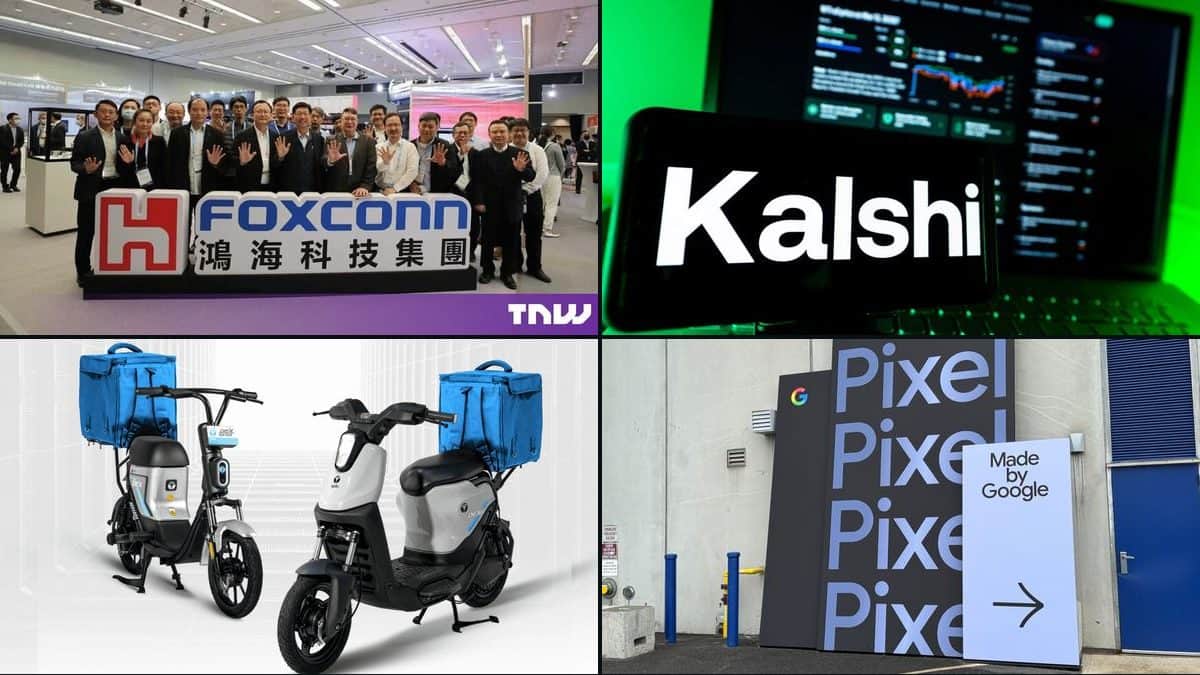
Today’s coverage traced the pressure behind the devices and services arriving in consumers' hands: demand for AI-capable hardware is rising, but so are the costs, security risks and supply constraints around it. Google’s Pixel 11 launch became the day’s clearest example, while Foxconn’s results showed how far the underlying server market has already shifted.
Google’s launch day
We began by setting out how to watch Google’s Pixel 11 event, with Pixel 11, Pixel Watch 5 and a possible Pixel Tag on the agenda. The pre-event picture was unusually full: leaked Pixel 11 prices and specs pointed to an $899 US starting price and outlined expected Tensor G6, camera, battery and display changes, while our event preview flagged a Gemini-focused keynote and potential HiLight debut.
By day’s end, Google had announced the Pixel 11, Watch 5, Pixel Tag and new Gemini features; our report on the Pixel 11's $899 starting price and Pixel Tag captured the confirmed package. The broader Pixel 11 lineup announcement also made the tradeoff plain: Tensor G6, camera improvements and new Watch 5 health tools arrive alongside higher prices across the range. Elsewhere in phones, a Fairphone 6+ leak suggested a more modest upgrade, with 12GB of RAM, Snapdragon 7s Gen 4 performance and a Cobalt Blue option.
The infrastructure and trust behind the products
Foxconn’s AI server revenue reached 51% of its Q2 2026 total, an important marker of where hardware spending is flowing, even as falling margins, supplier diversification and chip-packaging limits complicate that growth. xAI, meanwhile, released Grok 4.6 for coding agents and visual work, offering long-running capabilities and API pricing beginning at $2 per million input tokens. Xiaomi took a more narrowly technical route with PROVE video-removal metrics, aiming to make scores for object removal better match human judgments.

Recommended reading
Daily Digest: Apple’s reach from earbuds to foldables — September 11, 2026
Sergey Kuznetsov • • 2 min read
Trust remained the harder counterpart to that expansion. Microsoft’s August Patch Tuesday fixes covered 400 flaws, including an exploited Windows zero-day linked to Lazarus rootkit deployment, while our look at the risk of valid logins explained why stolen credentials are pushing teams toward continuous trust and behavioral analysis. Platform identity is also shifting at the edges: Edge’s Apple Account sign-in test is rolling out in a controlled Edge Beta 152 program on macOS and Windows. In markets regulation, Kalshi’s conflicting legal demands left it required to operate in New York under a CFTC order as FlightAware dropped its separate suit without prejudice.
Hardware with practical stakes
Several stories focused on technology meeting everyday infrastructure. Yulu’s $93 million raise will support an expansion of its Indian electric delivery fleet from 50,000 to 200,000 vehicles and the higher-speed Yulu Express scooter. Reservoir’s thermal-battery water heater proposes scheduling heat-pump heating around household demand, utility rates and solar output.
Consumer hardware also kept moving: Insta360's X6 pairs 8K50 video, larger sensors, Dolby Vision and editing tools with a 140-minute battery, while an FCC filing for Sonos Ace Ultra points to possible voice controls, Wi-Fi, five colors and a September launch. Next, watch whether higher device prices and constrained hardware supply temper the AI-led demand that Foxconn is reporting.
A section byline, not a person: stories filed here by for(geeks) are held to the same editorial policy as every story we run.