• 2 min read
Reservoir wants your water heater to become a thermal battery
Reservoir is developing a heat-pump water heater that schedules heating around household demand, utility rates, and solar output.
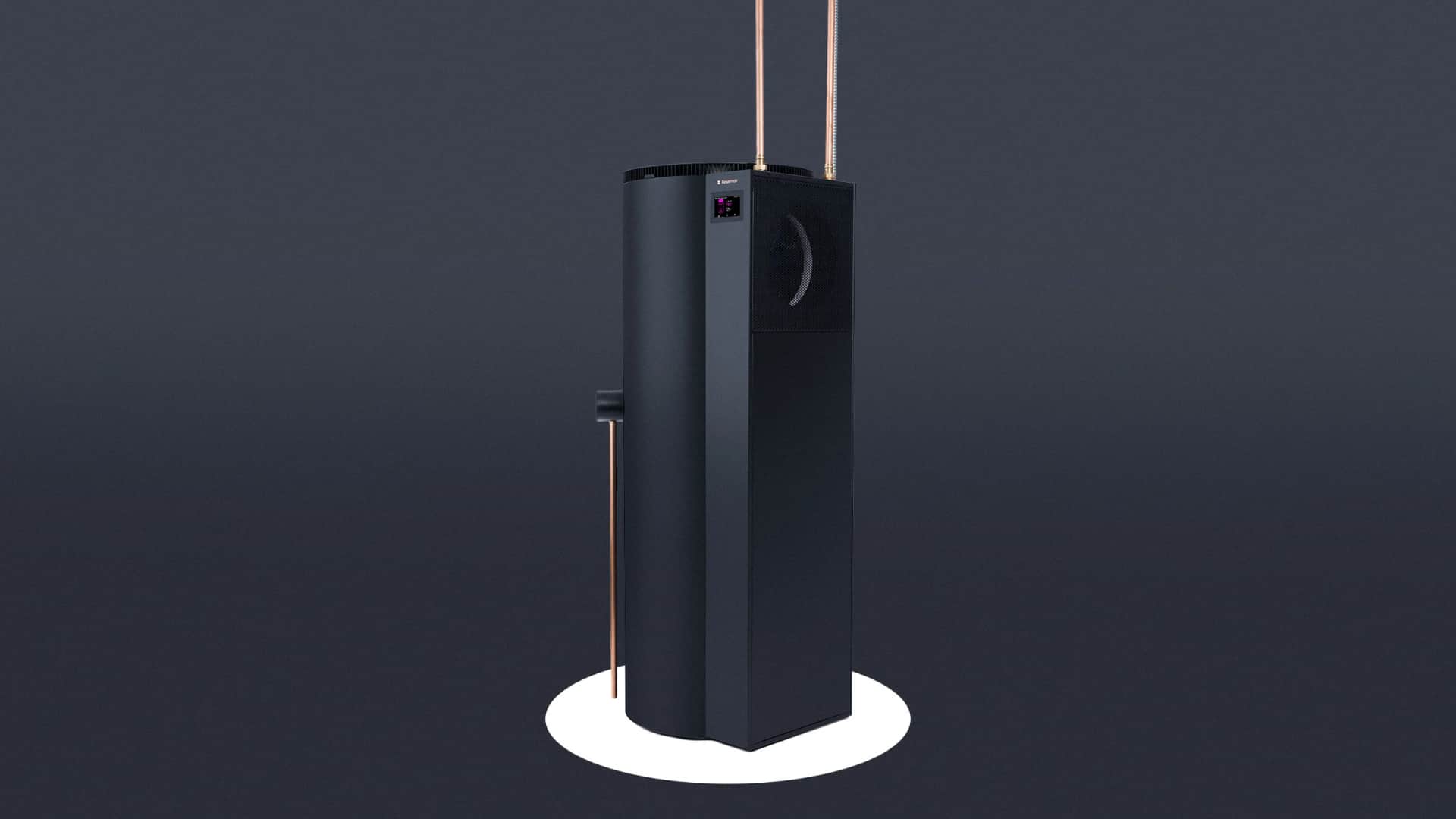
Image: Fast company
A startup wants to make the water heater a programmable energy asset. Reservoir has designed a heat-pump water heater that predicts when a household will need hot water, then heats it when electricity is cheapest.
As first reported by Fast Company, Reservoir says the system’s upfront cost will be comparable to other water heaters and that it could cut energy bills by up to $800 per year. The company did not provide a launch date or specific price.
The software learns a household’s hot-water habits and compares expected demand with local utility rates. That matters in areas with time-of-use pricing: Fast Company cites Groton, a Boston suburb, where electricity costs 5 cents per kilowatt-hour during off-peak periods and 50 cents per kilowatt-hour at peak times. Reservoir can also schedule heating when rooftop solar panels are producing electricity.
“I realized I was using more energy to heat my water than it took to drive my electric vehicle.”
Winston-Almanzar said his own attempt to electrify his home exposed weaknesses in existing heat-pump water heaters. The unit he bought took hours to heat, did not always have hot water ready when needed, had clunky software, and was as loud as an old refrigerator.
Reservoir’s founding team includes Gabriel Parisi-Amon, a former Apple employee and cofounder of shower startup Nebia, and Jake Felser, who previously built rocket engines at Blue Origin. Winston-Almanzar was formerly chief business officer at 3D-printing company Formlabs.
The company’s pitch is that users should care about reliable hot water, not the hour when the appliance runs. As Winston-Almanzar put it: “What you care about is when you get in the shower.”
A section byline, not a person: stories filed here by for(geeks) are held to the same editorial policy as every story we run.