• 3 min read
Weekly Digest: Safety meets a hardware surge — September 13, 2026
This week, frontier-model governance moved toward the center as Apple and IFA supplied a crowded hardware counterpoint.

This week’s clearest pattern was a contest over trust: trust in the pace of frontier-model development, in the claims made for research, and in the devices moving ever closer to people’s daily routines. The policy signals mattered because they came from competing labs at a moment when technical ambition and public scrutiny are pulling in opposite directions. Meanwhile, Apple’s broad product push and IFA’s packed show floor made the consumer-tech cycle feel anything but cautious.
Frontier work faces a credibility test
The most consequential shift was not a launch but a willingness to discuss restraint. Anthropic’s plan to embed outside safety evaluators would give those reviewers employee-like access, matching Dario Amodei’s call for a slower, coordinated pace among frontier developers. Sam Altman’s openness to pacing OpenAI’s work with other labs suggests that this is becoming an industry-level pressure rather than one company’s positioning. Such statements are still commitments, not a settled framework, but their timing indicates that safety concerns and regulatory pressure are shaping the terms on which progress is discussed.
That need for credible scrutiny also ran through the dispute surrounding OpenAI’s formalized Navier-Stokes result. With the result unverified and arguments over credit, training data and mathematics research continuing, the episode underscores how quickly a major claim can become inseparable from the process used to assess it. The week’s security news supplied a more immediate reminder of the stakes: a patched Sogou Input Method flaw was used to deploy GrayRabbit, turning one crafted link into a Windows remote-code-execution route. Across research and software, confidence depends on more than the headline claim.
Apple makes the foldable its premium bet
Apple dominated the consumer conversation by putting its first foldable at the very top of its pricing ladder. The iPhone Duo arrives October 23 for $1,999, bringing dual 120Hz displays and an A20 Pro chip while framing the device as a flagship rather than an experiment for bargain hunters. Its choice of Samsung foldable OLED panels, under a reported three-year display deal, is a useful measure of how established the component supply chain has become even as Apple enters the category.
Recommended reading
Weekly Digest: Connected hardware meets a security reckoning — September 6, 2026
Dan Kowalski • • 5 min read
The conventional Pro phones received their own upgrade cycle, with the iPhone 18 Pro line’s variable aperture, A20 Pro performance and longer battery life balanced against higher prices and additional weight. Apple also broadened the event beyond handsets: AirPods 5 bring active noise cancellation down to $129, while the updated Watch and Health app add readiness and longevity measures alongside a Quest blood panel. The connecting idea is not merely more products, but a more complete premium stack spanning phones, audio and health tracking.
IFA stretches computing into the home and beyond
IFA offered a different kind of abundance: hardware built for specialized, sometimes highly local tasks. AMD’s IFA lineup included chips intended for 125-billion-parameter models and a 96-core Threadripper Halo Station, placing substantial compute capacity in products outside the usual data-center framing. At the other end of the scale, Boox’s Picco showed the appeal and constraint of narrowly focused devices: its compact Linux e-reader is expected around $100, but closed software limits app support.
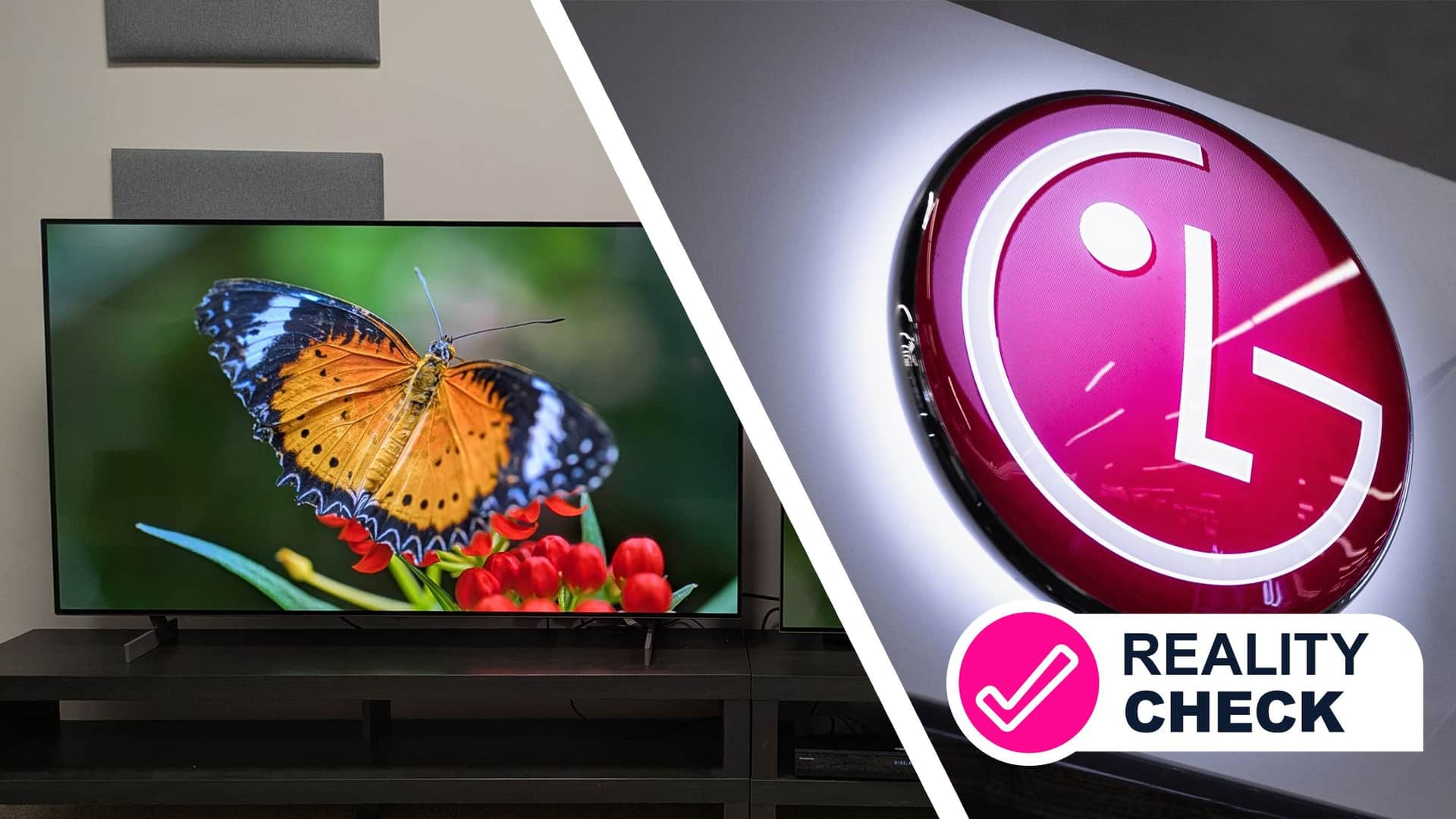
The show also made clear that connected devices continue to raise familiar questions about data practices. LG’s smart-TV privacy response says its sets do not continuously record conversations, yet leaves retention and use of automatic-content-recognition and network data unresolved. That gap matters as homes fill with new hubs, appliances, wearables and screens. The week ahead should test whether the industry’s new emphasis on evaluation and privacy can keep pace with the speed and breadth of the products now arriving.
Computing Editor
Tomas lives in the terminal. He covers chips, laptops, and operating systems with a focus on performance and efficiency. He reads kernel changelogs the way other people read fiction, and he's always on the hunt for the perfect mechanical keyboard switch. If it processes data, Tomas has an opinion on it.