• 5 min read
IFA 2026: Circular Ring 3, Moto Watch Ultra, iKairos and two more wearables
IFA 2026 introduced subscription-free smart rings, Motorola’s $349 LTE watch and AI pendants that track meals or act as memory keepers.
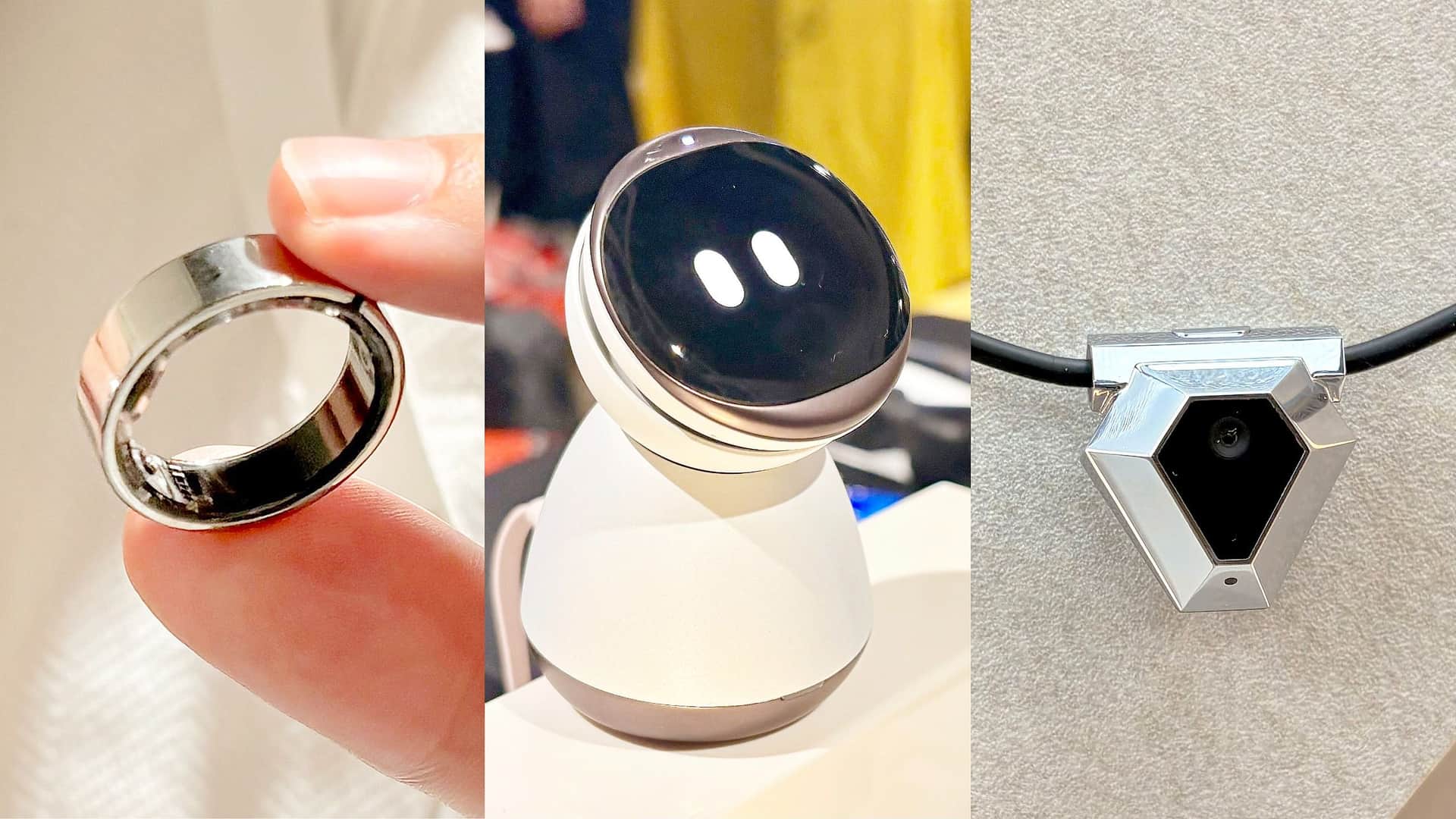
Image: Tom's Guide
IFA 2026, held in Berlin from September 4–8, showed several unconventional wearables alongside the local-AI and smart-home hardware we’ve been tracking at the event. The most concrete products included the $149 Luna Band, Circular’s subscription-free Ring 3 family and Motorola’s first LTE smartwatch. Two AI pendants, Odyss N1 and iKairos, were less certain propositions.
The products fall into two groups: devices with prices and launch details, and concepts that are still being developed. The Luna Band and Moto Watch Ultra have prices and launch details. Odyss N1 has neither, while iKairos is accepting waitlist sign-ups rather than orders.
| Product | Form and core function | Price or availability at IFA 2026 |
|---|---|---|
| Luna Band | Screen-free wellness tracker with AI-generated recommendations | $149; launch timing not specified |
| Circular Ring 3 Pro | Subscription-free smart ring with NFC payments, haptic alerts and blood-pressure trends | Ships in winter; price not specified |
| Circular Ring 3 Slim | Smaller subscription-free smart ring with NFC payments and haptic alerts | Price and shipping date not specified |
| Moto Watch Ultra | LTE smartwatch using Wear OS and Polar health-tracking technology | Starts at $349 on September 10, 2026 |
| Odyss N1 | Camera-and-motion-sensor pendant that logs food and drinks | Concept; no shipping date |
| iKairos | Modular AI pendant or desktop robot with a camera, microphone and display | Concept under development; no price or availability |
Subscription-free rings and trackers
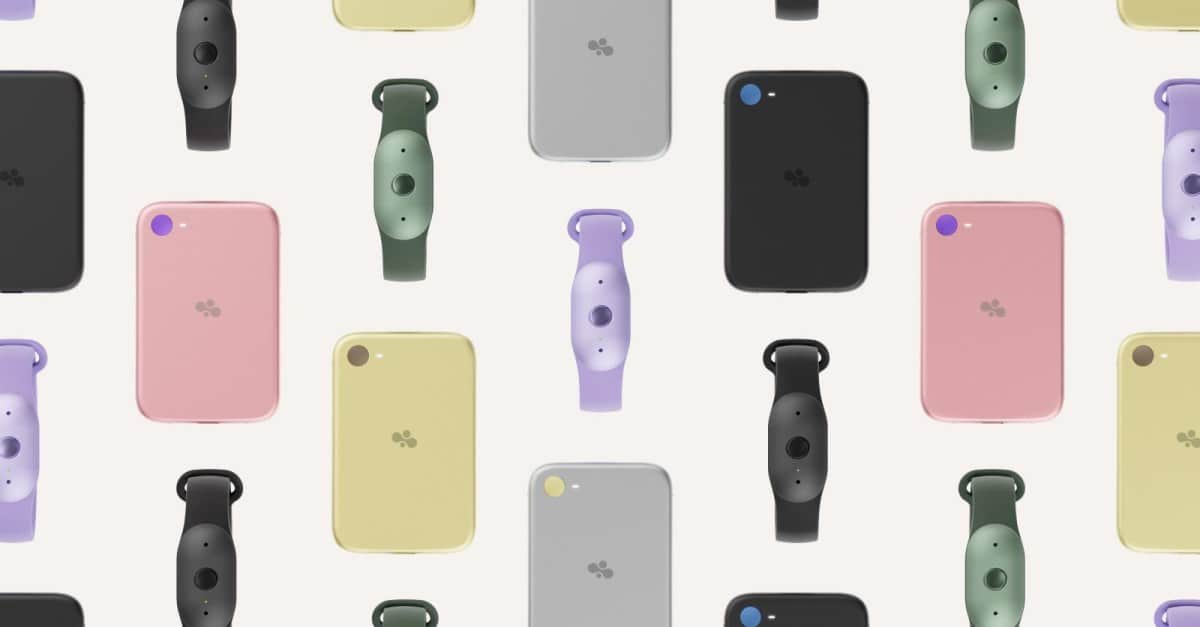
The Luna Band is one of a small group of screen-free fitness trackers. Its $149 price sits between the $199 Garmin Cirqa and $99 Fitbit Air cited at the show. It does not require a subscription for deeper wellness insights or personalized recommendations. The device is positioned as an alternative to the subscription-based Whoop 5.0 rather than as a conventional smartwatch.

Recommended reading
Luna Ultra reaches 15× zoom, but 4K vertical tops out at 6×
Sergey Kuznetsov • • 6 min read
Luna’s companion app turns health and activity trends into text-based guidance tied to a user’s goals, instead of presenting a large collection of metrics and charts. No launch date, sensor list or battery specification was provided, so the $149 price is currently the clearest concrete detail about the product.
Circular used IFA to introduce two rings: the Circular Ring 3 Pro and Circular Ring 3 Slim. Both are subscription-free alternatives to the Oura Ring 5 and include onboard NFC for contactless payments and haptic feedback for alerts and alarms.
The Pro version adds blood-pressure trend tracking. It is expected to ship in winter, but no exact date or price was provided. That feature is described as a trend-monitoring capability, not a medical diagnosis or a replacement for a blood-pressure cuff; the supplied reporting does not include validation data or accuracy claims.
Motorola takes aim at Android’s premium watches
The Moto Watch Ultra is among the event’s new wearables that buyers can purchase. It is Motorola’s first LTE-capable smartwatch and runs Google’s Wear OS. Health and fitness tracking comes through a partnership with Finnish smartwatch maker Polar. The watch has a brushed stainless-steel case.
It starts at $349 on September 10, 2026, through Motorola and Amazon. The reporting frames it against the Samsung Galaxy Watch 9 and Google Pixel Watch 5, claiming similar feature coverage at a lower price, but it does not provide a component breakdown, battery-life figure, cellular-plan requirement or independent performance testing. The purchase price alone does not establish the total cost of ownership for an LTE watch.
Odyss N1 turns food logging into an ambient task
The Odyss N1 is a concept pendant built around an onboard camera and motion sensor. Its intended job is to recognize what the wearer eats and drinks, addressing a limitation of fitness trackers that can automatically record sleep, workouts and stress but still generally require manual food logging.
The device reportedly needs a calibration period of a few weeks. During that period, users manually correct mistakes so the detection system can learn their eating habits. After calibration, the N1 is intended to log meals and drinks without requiring an entry for each item.
The N1 is designed to be worn nearly all the time if it is to capture a complete record. The reporting provides no shipping date or public price. There is also no stated accuracy measurement, so the promise of “solid” recognition remains a product claim rather than a published benchmark.
iKairos combines a pendant and robot
Lingverse’s iKairos uses modular hardware. Its circular “neural core,” roughly the size of a large smartwatch face, can be worn around the neck as a pendant or inserted into a desktop robot as its head. Lingverse says it plans to expand the hardware options over time, but those two configurations are the launch concepts described at the event.
The core includes a display with cartoon eyes, a microphone and a camera hidden behind a sliding section. It is intended to record notes, reminders, events, conversations and environmental context, then identify patterns and retrieve memories later. The camera’s physical shutter means it is not permanently exposed, and an indicator light shows when it is active.
Lingverse says voice detection and capture take place locally. Data processed in the cloud is encrypted, and the company says user data is not used to train its systems. The supplied material does not say how long recordings are retained, what hardware performs local processing, how much cloud processing costs or which functions work without a connection.
The device’s purpose is less defined than its hardware. iKairos is described as a “second memory” that can preserve moments and surface useful context, but the reporting does not identify a single primary task that would make the system indispensable. Its modular design could let the same neural core observe different settings, from a person’s home to their daily activities. That also broadens the privacy implications of an always-present microphone and camera.
There is no announced price or public release date. iKairos remains under development, with early access handled through a waitlist. The concept shown at IFA demonstrates a product architecture more clearly than a finished service: one compute-and-sensing core, several physical hosts and an AI layer that is still looking for its defining use case.
For US buyers, the Moto Watch Ultra has a dated launch and a dollar price, while Luna provides a price without a stated launch date. Circular’s rings add payment and haptic features but leave the Pro’s price unresolved. Both AI pendants remain demonstrations rather than products available to order. Battery life, data retention, cloud dependence, cellular costs and measured accuracy will determine whether these devices are practical outside the IFA show floor.
Frequently asked questions
How much does the Moto Watch Ultra cost?+
The Moto Watch Ultra starts at $349 and is scheduled to be available through Motorola and Amazon on September 10, 2026.
Does the Luna Band require a subscription?+
No. The Luna Band is positioned as a subscription-free wellness tracker, including for its AI-generated workout and health recommendations.
When will the Circular Ring 3 ship?+
The Circular Ring 3 Pro is expected to ship in winter, but no exact date or price was announced. The Slim model’s timing was not specified.
Can I buy the Odyss N1 or iKairos?+
No public price or shipping date is available for either device. Odyss N1 is still a concept, while iKairos is under development with an early-access waitlist.

Editor-in-Chief
Sergey Kuznetsov is Head of Product at iXBT.com, one of the largest Russian-language technology media outlets, and the founder of itzine.ru. He has spent over a decade building and running tech newsrooms. At for(geeks) he sets editorial standards and reviews what ships.