• 2 min read
Daily Digest: Trust and trade-offs in smarter systems — August 21, 2026
Today’s coverage tracked how smarter systems are being tested for security, safety, efficiency and transparency—and where their benefits create new risks.
The throughline today is not simply that intelligent systems are spreading; it is that their deployment is forcing harder questions about who can inspect them, trust them and absorb their side effects. From autonomous-vehicle components and teen chatbots to grocery supply chains, the day’s stories showed safeguards and efficiency gains arriving with unresolved tests of accountability.
Security and verification
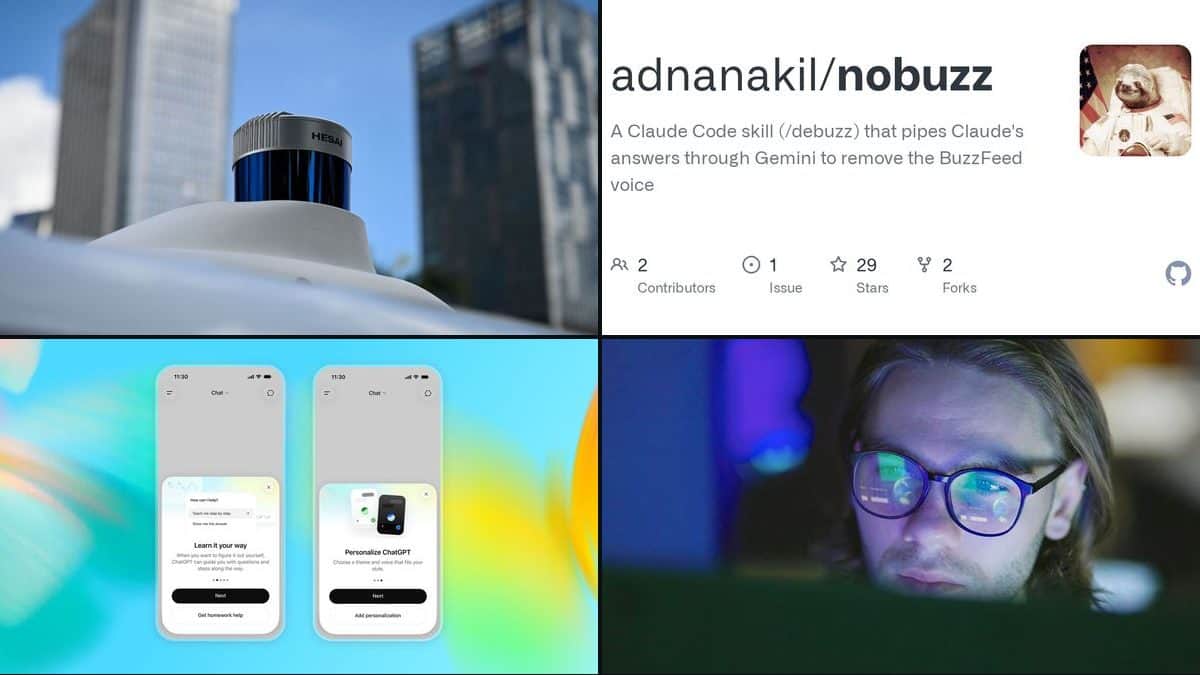
We began with Idaho National Laboratory’s review of Chinese lidar, a case in which a component central to autonomous vehicles is being examined for risks tied to data collection, supply chains and remote disruption. That scrutiny reflects a wider concern: connected hardware cannot be judged only by what it does under normal conditions, but also by who may control it and what information it may expose.
The same loss of confidence is driving the case for verbal passphrases and other deepfake defenses. As visual and voice checks become less reliable, security experts are pointing toward practical layers of verification: hardware keys, callbacks and dual approval alongside secret phrases. On the software side, Microsoft is making some of the machinery more visible with per-process NPU and GPU neural-engine metrics in Windows Task Manager, giving supported Windows devices a clearer view of which processes use those resources.
Capability meets consequences
Today also brought fresh examples of model builders expanding performance and access. DeepSeek’s V4 Flash Vision Exp documentation describes a model that can accept images through OpenAI-, Anthropic- and Responses-compatible APIs, with a limit of 600 images per request. Meanwhile, Liquid AI’s DSpark checkpoints promise decoding for LFM2.5 up to 3.18 times faster while preserving greedy outputs, although using them requires self-hosting.

Recommended reading
Daily Digest: Apple’s reach from earbuds to foldables — September 11, 2026
Sergey Kuznetsov • • 2 min read
But faster or broader systems do not settle the questions around their use. OpenAI’s age-gated ChatGPT for Teens adds stricter rules and parental alerts, yet experts say the safeguards still need independent testing. Even attempts to make interactions clearer have a distinct audience in mind: a community-built Claude Code skill that routes responses through Gemini CLI offers plainer-English modes for engineers, managers and executives.
The clearest reminder that optimization can redistribute costs came from grocery forecasting and dynamic pricing. Reducing waste is a tangible gain, but food banks say the reduced surplus is also shrinking donations. Next, we will be watching whether the safety tests, oversight tools and social backstops around these systems keep pace with the efficiency they are designed to deliver.
A section byline, not a person: stories filed here by for(geeks) are held to the same editorial policy as every story we run.