• 2 min read
Daily Digest: autonomy, capital and control — August 20, 2026
Today’s coverage tracks the race to scale new computing services, from driverless rides and desktop tools to chips, financing and court fights.
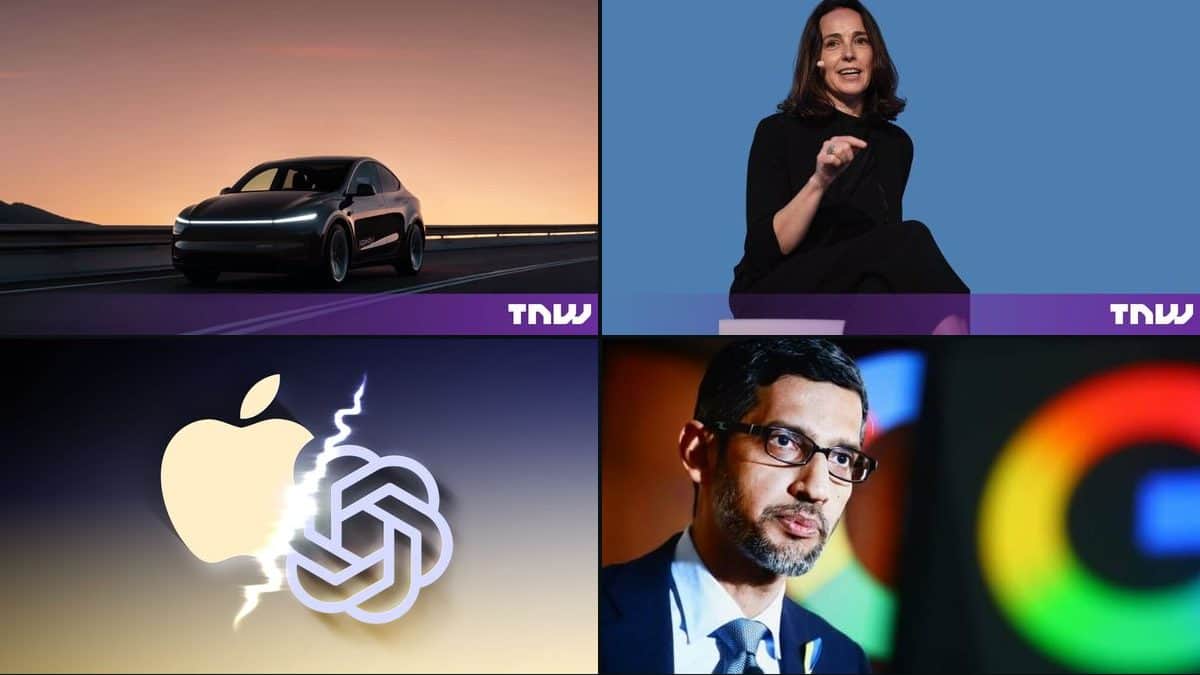
The throughline today is control: who supervises a service, who supplies its core hardware, and who gets to own the technology and data behind it. Tesla’s move in Austin is the most immediate expression of that shift, while OpenAI’s financial plans, Apple’s legal challenge, and Google’s supplier strategy show that the competition is being fought just as fiercely in boardrooms and courtrooms.
Services move closer to the user
Tesla is pressing ahead with a more independent version of its Austin ride service. A crowdsourced tracker recorded 170 rides without onboard safety monitors, a development we examined in Tesla’s Austin robotaxi rollout. The timing matters because Tesla is preparing to introduce its wheel-less Cybercab: removing the human monitor makes the service a sharper test of whether the company can turn its vehicle ambitions into a routine commercial operation.
Meta, meanwhile, is bringing its assistant directly onto the Mac desktop. The new Meta app combines screen sharing and system-wide dictation with business analytics, Google Workspace access, and recurring reports. Together with Tesla’s approach, it points to a broader push to make software more embedded in everyday work and activity rather than something users visit in a browser or a discrete app.

Recommended reading
Daily Digest: Apple’s reach from earbuds to foldables — September 11, 2026
Sergey Kuznetsov • • 2 min read
The infrastructure and ownership fight
That user-facing expansion rests on expensive computing capacity and uncertain corporate economics. Google’s decision to bring Marvell into its custom-chip work gives it an alternative to longtime TPU partner Broadcom, as covered in our look at Google’s chip supplier leverage. The reported potential $12.2 billion stake raises the stakes: supplier diversity is not merely a procurement detail when specialized silicon helps determine how quickly a company can expand its services.
Qualcomm is also signaling the next round of mobile competition, teasing two Snapdragon 8 Elite Gen 6 chips for September 22. The dual-flagship teaser includes a rumored 2nm Pro model expected in Samsung’s Galaxy S27 lineup, underscoring how chip road maps are becoming central to product expectations well before devices arrive.
Financing and intellectual-property disputes are running alongside the hardware race. OpenAI’s proposed 2027 public offering would come amid widening losses and executive turnover, putting added pressure on a company pursuing growth at substantial cost. Apple is separately asking a judge not to end its trade-secrets case against OpenAI, arguing that the dismissal request is speculative and contesting claims related to former employees Chang Liu and Tan Yew Tan in the continuing lawsuit.
Next, we will watch whether Tesla’s unsupervised rides continue to build and whether the corporate, legal, and chip-supply battles reshape who can sustain this costly race.
A section byline, not a person: stories filed here by for(geeks) are held to the same editorial policy as every story we run.