• Updated • 4 min read
Apple urges judge to keep OpenAI trade-secrets case alive
Apple says OpenAI’s dismissal bid relies on speculation and disputes allegations involving former employees Chang Liu and Tan Yew Tan.
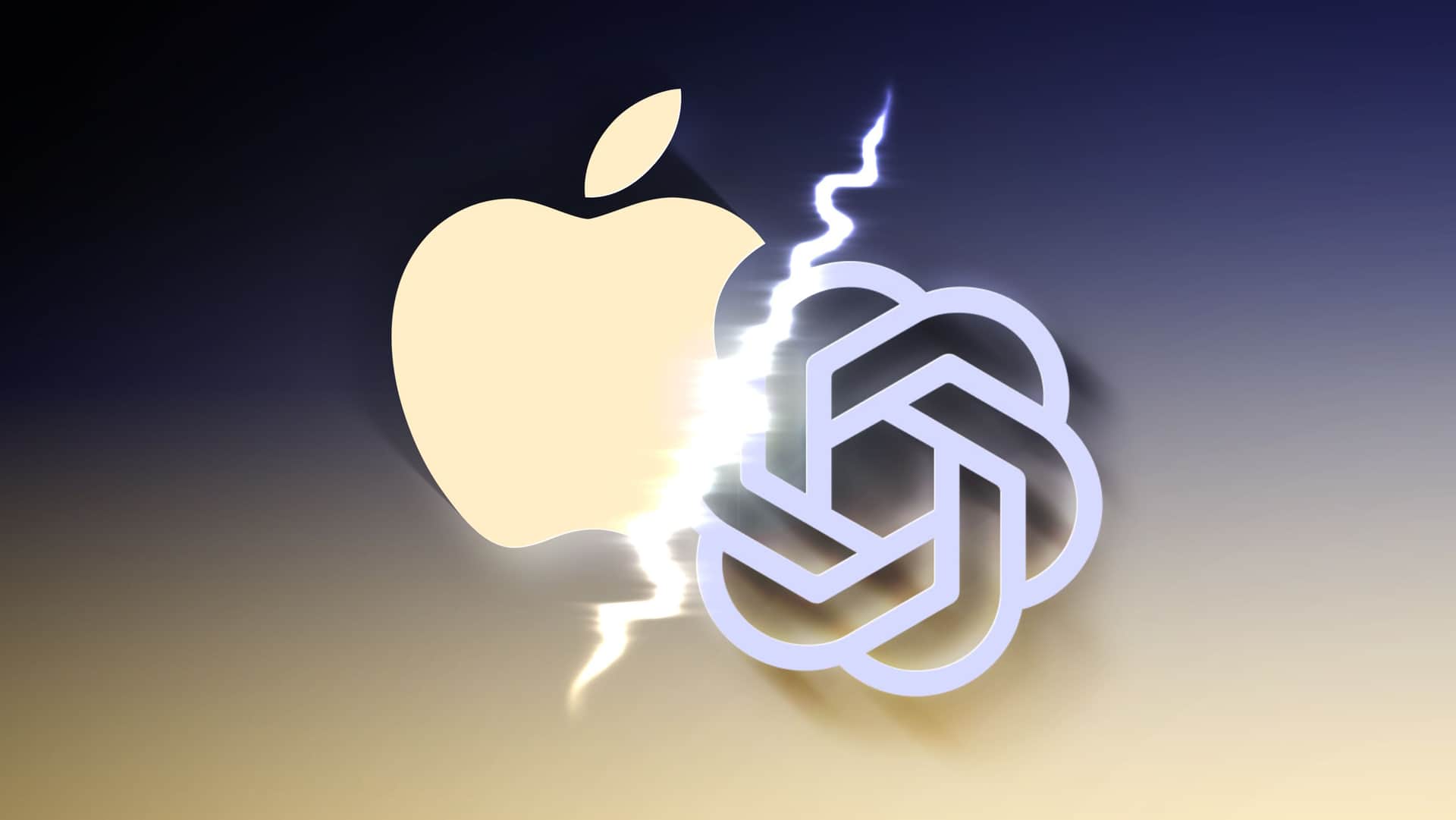
Image: Macrumors
Apple is asking a federal judge to reject OpenAI’s bid to dismiss a trade-secrets lawsuit, arguing that the defense depends on “distortion, speculation, and improper extrinsic evidence,” according to MacRumors.
In a 32-page opposition brief filed Wednesday, August 19, Apple repeats its allegations against former Apple engineer Chang Liu and OpenAI hardware chief Tan Yew Tan. Apple sued OpenAI in July 2026, claiming the company recruited former employees to obtain confidential product information. The lawsuit says more than 400 former Apple employees now work at OpenAI.
Apple alleges that Liu used a “rare authentication bug” to access Apple’s network storage weeks after joining OpenAI and downloaded dozens of confidential engineering files. Those files allegedly included a presentation covering the manufacture and testing of main logic boards.

Recommended reading
Lambda’s IPO case depends on contracts funding the GPUs
Sergey Kuznetsov • • 9 min read
The company also says Tan used internal Apple project codenames to question job candidates about unreleased products. Apple further alleges that Tan asked an Apple employee to bring components to OpenAI for a “show and tell” session, including batteries, system-on-chips, logic boards, and shields.
OpenAI’s motion to dismiss argued that Apple had not identified information that legally qualifies as a protectable trade secret. OpenAI also said it had no interest in Apple’s confidential material because it was “building something entirely new and different from anything at Apple.”
Apple responds that those arguments raise factual disputes that should be examined during discovery, not resolved at the dismissal stage. Citing the Ninth Circuit’s 2025 Quintara decision, Apple says it does not yet have to disclose its alleged trade secrets in full detail. Doing so in a public filing, the company argues, could reveal the information it is trying to protect.
Apple also challenges evidence OpenAI submitted with its motion, including text messages, a website listing Apple’s codenames, and a copy of Apple’s interview guide. The company argues that a motion to dismiss should be decided from the complaint alone, without considering that outside material.
The dispute is the latest stage in the lawsuit covered in Apple’s earlier request to block OpenAI and seek forensic inspections and OpenAI’s subsequent request to throw out the case](/openai-dismiss-apple-hardware-lawsuit/). Apple now argues that because both sides offer plausible explanations for Tan’s conduct, Ninth Circuit precedent favors allowing the case to proceed rather than dismissing it.
Judge Edward J. Davila is scheduled to hear arguments on October 1, 2026.
Update, 1 September 2026 — Apple cites MacBook evidence and alleged destruction
TechRepublic reports that Apple told a federal court evidence recovered from former engineer Chang Liu’s Apple-issued MacBook supports its trade-secret claims. Apple says an initial forensic review found Liu and others at OpenAI were aware of his continued access to Apple’s third-party cloud storage, and alleges that he downloaded a confidential circuit schematic and used it in his OpenAI work. The company also claims Liu told colleague Yu-Ting Peng to destroy evidence after learning of the investigation, and that Peng agreed.
The cited material is largely sealed or redacted. OpenAI disputes Apple’s interpretation, saying Liu accessed files to help former colleagues with Apple-related work and that the documents were irrelevant to his OpenAI responsibilities. Apple is seeking expedited discovery, damages and a preliminary injunction blocking use of the disputed technology while the case proceeds; the court has not ruled that misappropriation or evidence destruction occurred.
Update, 1 September 2026 — Apple details MacBook forensic findings
9to5Mac reports that Apple’s filing identifies more detail from its initial forensic analysis of Chang Liu’s MacBook. Apple alleges Liu ran a simulation in March using a confidential circuit schematic in LTspice, an electrical engineering tool, and said his AI agent had learned to run LTspice and review its results. Apple argues that feeding a trade secret into an AI agent that learns from it may create uses that are difficult to reverse.
Apple also says Liu used a tool with the same name as an internal Apple engineering application. The company learned about the schematic’s use after a Mac mini synced the file to the MacBook through iCloud, and is seeking access to that Mac mini. Apple says OpenAI’s defendants chose not to inspect the MacBook and instead advanced explanations that its data disproves.
A section byline, not a person: stories filed here by for(geeks) are held to the same editorial policy as every story we run.