• Updated • 4 min read
Starship Flight 14 will target orbit, SpaceX says
SpaceX says Starship Flight 14 will target orbit, while Super Heavy will land in the Gulf instead of being caught by the launch tower.
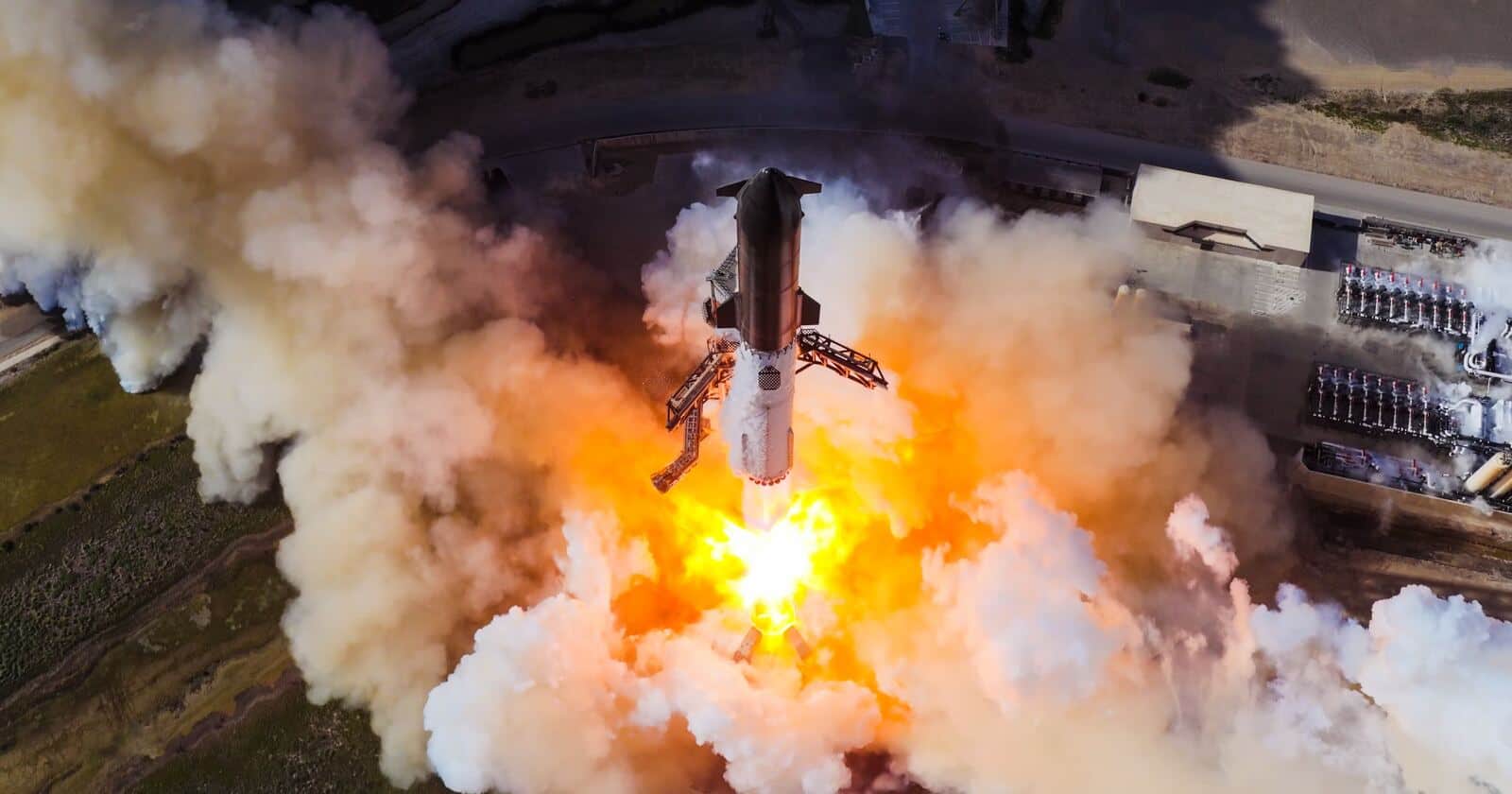
Image: ITzine
SpaceX says Starship’s 14th test flight will be the program’s first attempt to reach Earth orbit. The company is also backing away from another high-profile milestone: Super Heavy will not be caught by the launch tower, but will instead make a controlled landing in the Gulf of Mexico.
The changes were disclosed during a meeting with investors following SpaceX’s first quarterly report. The company reported $7.8 billion in revenue for the three-month period and a net loss of $541 million, down from more than $1 billion a year earlier.
Starship’s first orbital attempt
Until now, SpaceX’s Starship tests have remained suborbital. Flight 14 is intended to test the complete Starship–Super Heavy system in the environment required for operational launches, rather than another demonstration that stops short of orbit.
The Starship upper stage is expected to carry Starlink V3 satellites. SpaceX says the new spacecraft are designed for higher throughput, making a heavy-lift vehicle increasingly important if the company wants to accelerate Starlink deployment. The planned mission therefore tests both the launch system and its intended internal customer.
Super Heavy’s water landing is a more conservative choice. Following problems on the previous mission, SpaceX has chosen not to force the tower-catch maneuver while engineers continue analyzing the earlier flight’s data. The decision reduces the risk of losing another booster, but it also postpones a central part of Starship’s planned rapid-reuse architecture.
Recommended reading
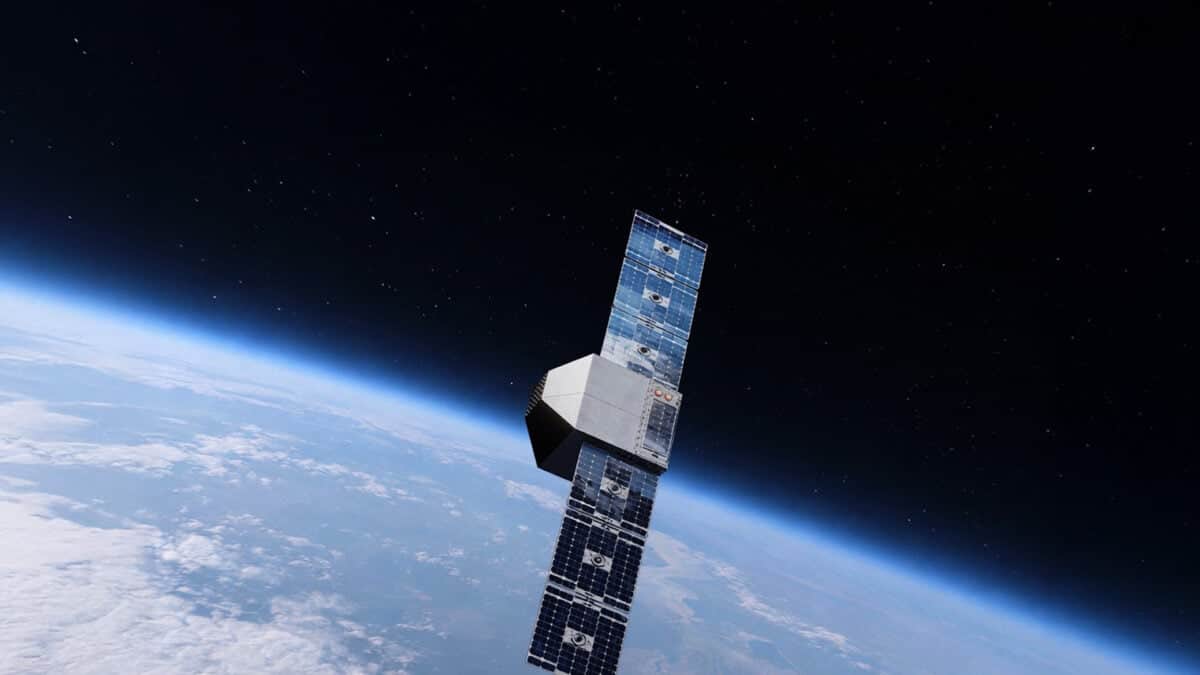
Kreios plans air-breathing satellites for 2028
Science & Mobility Desk • • 2 min read
That ambition has been a recurring theme in SpaceX’s plans: Elon Musk has said Starship should eventually fly more than once an hour and support payloads of more than 200 tons, a target described in our earlier coverage of Starship’s launch cadence plans. The company’s latest test plan shows that the program still has to validate the basic orbital and recovery sequence before that cadence becomes practical.
NASA, commercial launches, and pricing
Starship has two major roles. SpaceX is developing it for future commercial launches, while NASA selected a modified version as a lunar lander for the Artemis program. Reliable orbital flights and safe returns are prerequisites for both uses.
SpaceX is conducting Starship and Super Heavy operations from Starbase in Boca Chica, Texas, and has been added to NASA’s Launch Services (NLS II) contract. That means the system is being commercialized for US government and commercial customers. SpaceX also says it offers launch services to commercial, civil, and government customers internationally, but it has not published a dedicated EU Starship sales page or EU-specific pricing.
The official commercial price for a Starship launch remains undisclosed in both USD and EUR. The same is true of several competing heavy-lift systems: Ariane 6, Blue Origin’s New Glenn, and ULA’s Vulcan Centaur do not publish a single public list price per launch on their product pages. Contracts instead vary by mission and customer.
That leaves the orbital test as the decisive near-term milestone. SpaceX has the customer access and an unusually ambitious reuse target, but without a demonstrated orbital flight, recovery system, or public launch price, Starship is still a commercial promise rather than a priced launch product.
Update, 15 September 2026 — Targets September 22 for six-orbit mission
Pending regulatory approval, SpaceX plans to launch Flight 14 as early as September 22, with a 7:15 a.m. local Texas liftoff target and a 75-minute window. Ars Technica reports that the mission would carry 26 V3 Starlink satellites to a 275 km orbit.
SpaceX says the upper stage is intended to complete six Earth orbits before ending its mission about 10 hours after launch. The company also said it modified Super Heavy’s engine filtering hardware and relight software after ice clogging contributed to an early end to the booster’s terminal burn on the previous flight.
Update, 19 September 2026 — Flight 14 moves to September 28
SpaceX is now targeting September 28 for Flight 14, replacing its earlier September 22 target. Engadget reports that the 75-minute launch window opens at 8:15 a.m. Eastern, and that the flight remains pending regulatory approval. SpaceX gave no reason for the six-day shift.
The 26 V3 Starlink satellites planned for the mission are intended to join the operating constellation and serve customers, rather than being carried only as a deployment demonstration. Engadget reports that the upper stage is scheduled to end in the Pacific Ocean near Chile after its six-orbit mission, while Super Heavy is to splash down in the Gulf of Mexico.
A section byline, not a person: stories filed here by for(geeks) are held to the same editorial policy as every story we run.