• 8 min read
IFA 2026: Xiaomi 18 Fold, Anker MindBase, LG OLED evo AI W6 and 13 more
IFA 2026's hardware lineup includes Xiaomi’s 18 Fold, Anker’s local smart-home hub, Lenovo’s long-supported tablet and LG’s award-winning OLED TVs.
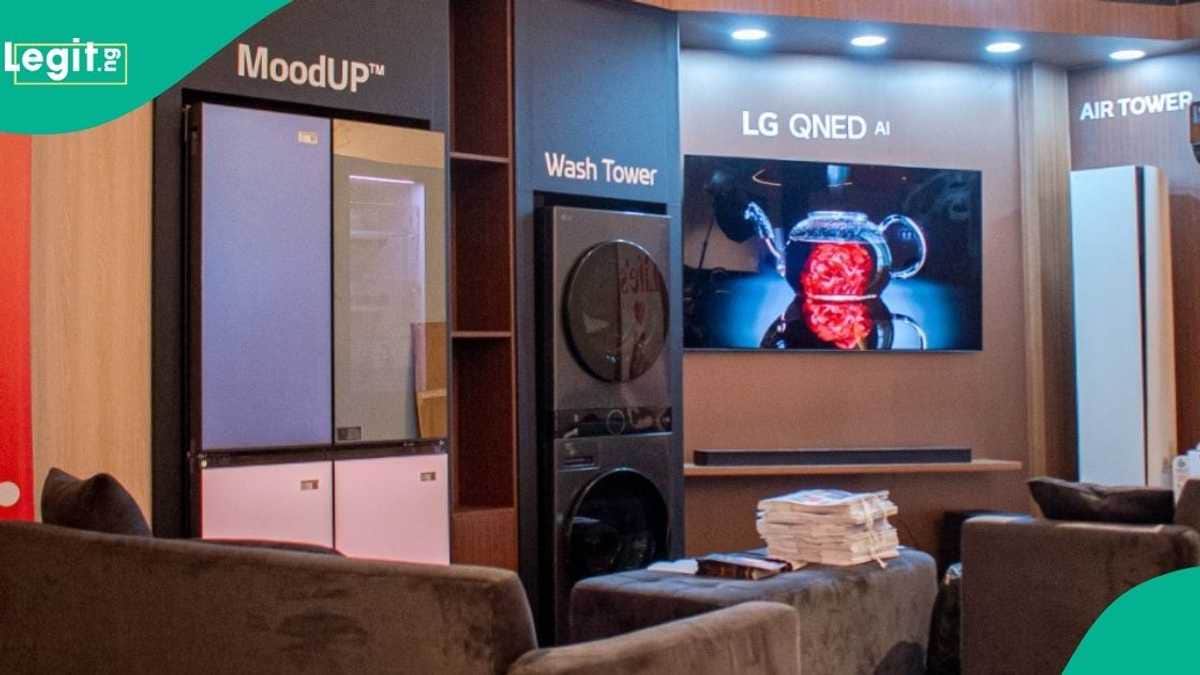
Image: Legit Ng
IFA 2026, running September 4–8 in Berlin, featured a mix of shipping products and early concepts. Among the notable announcements and displays were Xiaomi’s 18 Fold foldable, Anker’s MindBase smart-home hub, Lenovo’s long-supported Yoga Tab Plus Gen 2, TCL’s OLED NXTPAPER phone and LG’s award-winning television and audio portfolio.
The event covered a wide range of hardware: a zero-bezel phone concept, a tablet promised seven years of updates, a pool-cleaning robot, a physical smart-home dial and laptops aimed at the value market. As with earlier IFA coverage, the products connect hardware to larger software and home systems rather than operating as isolated gadgets; our September 6 IFA systems report tracked the same shift toward connected device ecosystems.
Xiaomi, TECNO and TCL push phone design
Xiaomi used its first IFA appearance to introduce the Xiaomi 18 Fold, a wide-screen foldable shown in Berlin ahead of its China launch on September 7, 2026. The phone is the first flagship device powered by Xiaomi’s own XRing O3 silicon and uses next-generation LPDDR6 memory rated for speeds of up to 12,800Mbps. Xiaomi occupied more than 3,300 square meters at the show and presented more than 380 products under its “Human x Car x Home” banner.
The company has not released the complete 18 Fold specification sheet. The displayed phone had a cherry-red finish, a horizontal triple-camera bar and markings indicating a focal range from 17mm to 80mm, suggesting a telephoto camera of approximately 3.3x. That focal-range interpretation is based on the markings visible on the displayed unit; it isn’t a complete camera specification. Xiaomi is positioning the phone between Samsung’s Galaxy Z Fold 8 and Apple’s expected first folding iPhone, but the supplied reporting does not establish US pricing or availability.
TECNO took a different route with a next-generation bezelless concept phone. Its 6.7-inch, 144Hz display effectively removes the visible border between the panel and the frame. The concept uses dual-layer cover glass, extends the lower glass layer beneath the frame, inserts the display from the rear and uses custom adhesive to conceal the inactive area.
Recommended reading
Google Play, not Alexa, is Amazon’s real tablet upgrade
Sergey Kuznetsov • • 11 min read
The concept is less ambitious internally: it uses a MediaTek Dimensity 7300e and a 6,000mAh battery borrowed from an existing TECNO phone. TECNO is demonstrating an assembly and display-integration technique, not announcing a finished retail phone, so there is no confirmed price, release date or US launch.
TCL’s P80 Ultra addresses a different phone compromise. It is the first NXTPAPER phone in the supplied reporting to combine TCL’s glare- and reflection-reducing layer with an OLED panel rather than LCD. The phone has a 6.83-inch, 1.5K, 120Hz display rated at up to 3,200 nits, while a dedicated NXTPAPER button activates Max Ink Mode, a monochrome reading mode TCL rates for up to seven days of reading.
The P80 Ultra includes a 50MP main camera, a 50MP 3x periscope camera, an 8MP ultrawide and IP68 protection. It shares the P80 Pro’s Dimensity 7400 Elite processor, 8GB of RAM, 256GB or 512GB of storage, 5,800mAh battery and 45W charging. It runs Android 16 with four major OS upgrades and seven years of security updates. Pricing starts at €549, approximately $635, while TCL described the US launch only as coming later.
Lenovo bets on long tablet support
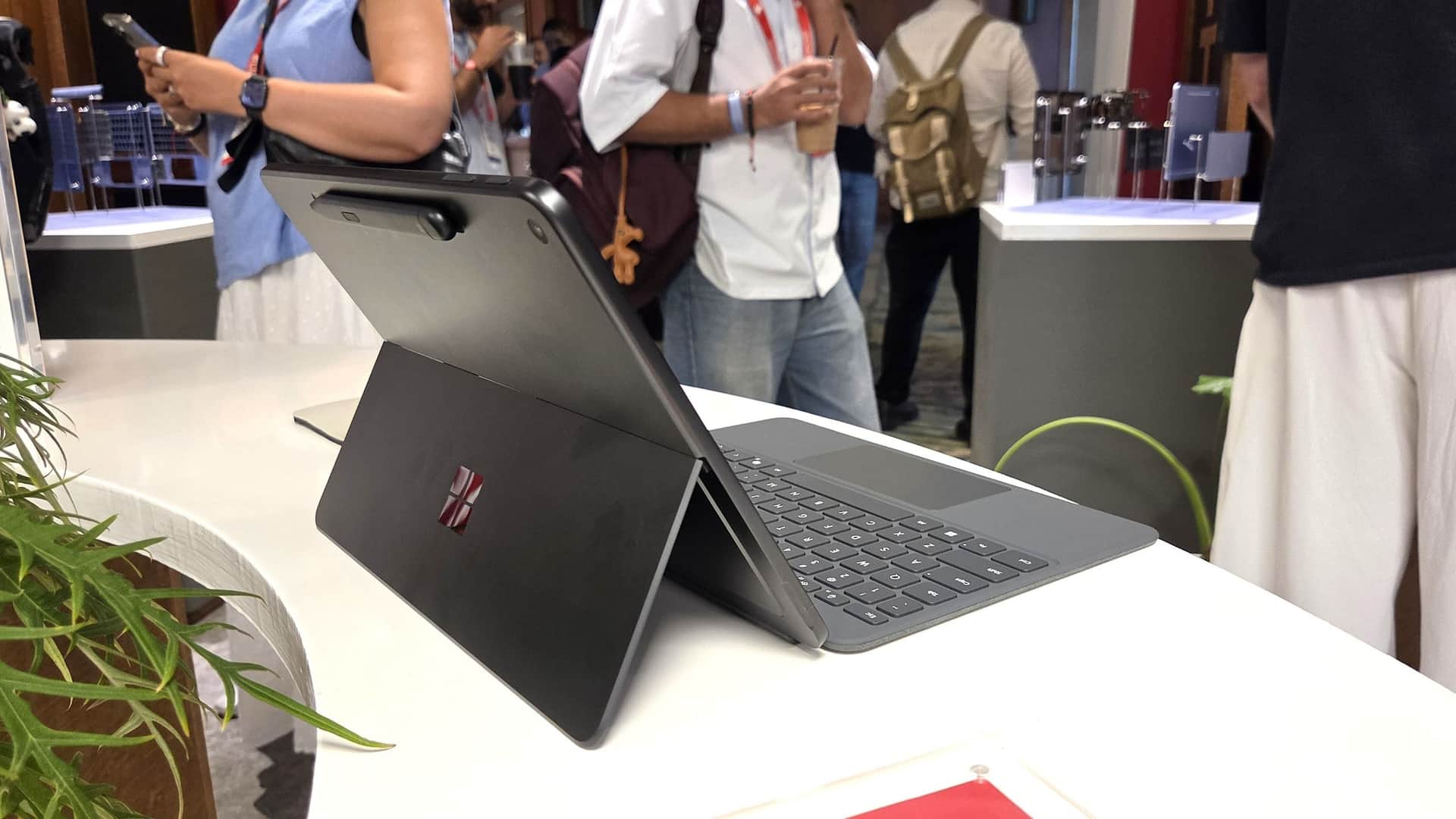
The Lenovo Yoga Tab Plus Gen 2 pairs its hardware with long-term software support. The tablet ships with Android 17 and is promised seven major OS upgrades plus seven years of security patches, with Lenovo specifically naming Android 24 and security updates through 2033.
The higher-end Plus model uses a Snapdragon 8 Elite and a 13-inch 4K PureSight Pro display with a 144Hz refresh rate and 1,100 nits of peak brightness. Configurations include 12GB to 16GB of RAM and 256GB to 512GB of expandable storage. The hardware also includes a 12,700mAh battery with 68W charging, six speakers, Wi-Fi 7, Bluetooth 6.0 and support for an optional magnetic keyboard. A creator-focused version adds pen support.
The tablet is available in September 2026 starting at $999.99. Lenovo is asking buyers to evaluate it as a device intended to remain current through 2033, not simply as a high-end Android slate with a short support window.
Dell’s 14s has the hardware, but not the price
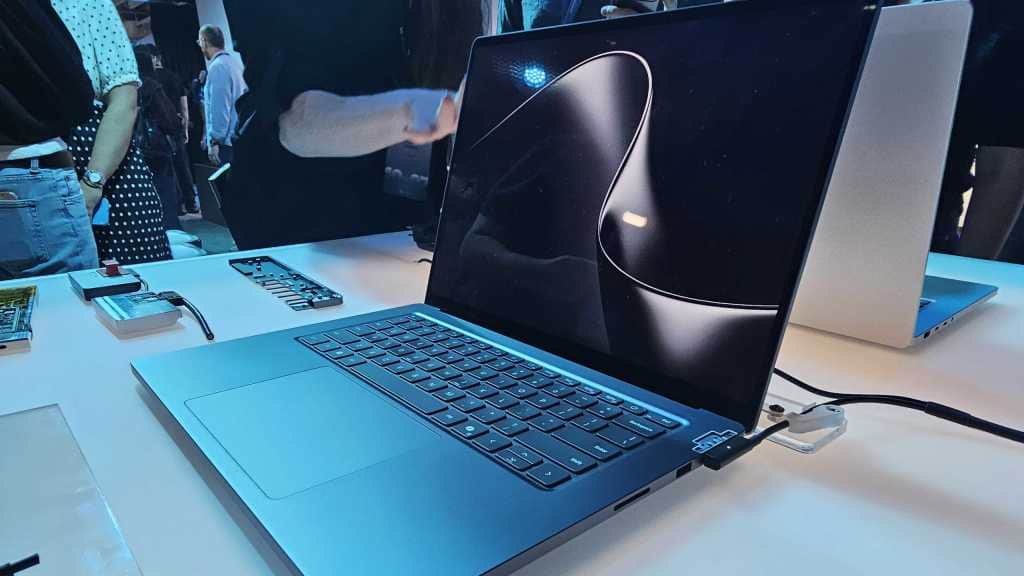
The Dell 14s targets students and younger buyers with a thin aluminum chassis, four color options and Windows 11. Buyers will be able to choose between 14-inch 16:10 displays at 60Hz and 1200p or 120Hz and 1800p, paired with an Intel Core 5 or Core 7 Series 3 processor, 8GB or 16GB of LPDDR5x memory and up to 1TB of storage.
Dell says the body is just over half an inch thick, weighs under three pounds and uses a 61.2Wh battery rated for up to 21 hours of video streaming. Connectivity includes two USB-C ports, full-size HDMI and a 3.5mm headphone jack, but no USB-A port.
The unresolved issue is whether the laptop is competitive: Dell has announced neither pricing nor a release date. Its positioning is particularly sensitive because the MacBook Neo starts at $699 after a price increase earlier in summer 2026. Dell’s 14s could be compelling below that point, but Dell has not established that it is affordable.
Anker and Athom put the smart home back in the house
Anker’s MindBase is a smart-home hub built around three functions: whole-home connectivity, on-device computing and local storage. It runs an on-device large language model, allowing AI processing to happen locally rather than on a remote server. Anker says the hub can provide up to 48TB of local storage without a required monthly subscription, a distinction for homes storing security-camera footage.
MindBase isn’t restricted to Anker hardware. Its EasyOmni Link connects compatible devices from Matter, Apple HomeKit, Alexa, Google Assistant and Home Assistant. Anker has not announced pricing and says details will come closer to retail availability. The company also announced that its various sub-brands will be consolidated under the Anker name.
Athom’s Homey Portal takes a less cloud-centric approach to control than a phone app: it is a physical, wall-mounted controller with a 2.8-inch round touchscreen surrounded by a stainless-steel rotary ring. Each unit is assigned to a zone such as a kitchen or living room. Users can tap for lighting scenes, twist to adjust brightness, drag to change color, and control music systems including Sonos and Denon Heos.
The Portal also supports thermostats from Nest, Tado and Honeywell, energy dashboards, custom notifications, yes-or-no prompts and live doorbell video. It works with Homey Cloud, Homey Pro, Homey Pro mini and the Self-Hosted Server. The supplied reporting does not provide the platform’s full device reach, a price or a US availability date.
Robots move beyond floors
Roborock’s RockAqua P1 is the company’s first robotic pool cleaner, using the navigation and motor expertise behind its floor vacuums and lawnmowers in water. It cleans pool floors and walls and can climb onto shallow platforms such as sun shelves and entry steps.
The P1 circulates 6,800 gallons per hour through a dual-stage filter, runs for up to 3.5 hours per charge and uses camera-based obstacle avoidance. Roborock has confirmed that the RockAqua P1 is coming to the US, but has not announced pricing or availability.
LG takes the show’s top awards
LG Electronics was named Best Brand of IFA 2026 at the second annual IFA Innovation Awards. Its OLED evo AI W6 True Wireless Wallpaper TV won Best in Home & Entertainment, while LG Sound Suite AI won Best in Audio for its Dolby Atmos FlexConnect ecosystem.
The W6 is built around a 9mm-thin design, True Wireless connectivity and Hyper Radiant Colour Technology. Sound Suite AI lets users place and combine speakers more flexibly within a room rather than requiring a fixed arrangement.
LG also received five Honoree distinctions. The OLED evo G6 was recognized for picture performance and Hyper Radiant Colour Technology; the Micro RGB evo MRGB96 for RGB-based display technology aimed at high color volume and luminance; and the Mini RGB evo MRGB88 for bringing RGB display technology to a more accessible form factor with an emphasis on picture quality and energy efficiency.
The remaining Honorees were the movable-screen StanbyME 2 Max and the LG xboom Stage 501, a high-output speaker aimed at social gatherings and larger listening environments. The awards cover televisions, display technologies, movable screens and audio rather than a single product strategy.
| LG product or system | IFA 2026 recognition | Technical or design focus |
|---|---|---|
| OLED evo AI W6 | Best in Home & Entertainment | 9mm design, True Wireless connectivity, Hyper Radiant Colour Technology |
| Sound Suite AI | Best in Audio | Dolby Atmos FlexConnect speaker ecosystem |
| OLED evo G6 | Honoree | Picture performance and Hyper Radiant Colour Technology |
| Micro RGB evo MRGB96 | Honoree | RGB display technology for color volume and luminance |
| Mini RGB evo MRGB88 | Honoree | More accessible RGB display technology and energy efficiency |
| StanbyME 2 Max | Honoree | Movable-screen design |
| xboom Stage 501 | Honoree | High-output audio for larger listening environments |
The products shown at IFA 2026 have different levels of purchase information. Lenovo’s tablet and TCL’s P80 Ultra have concrete pricing or launch information, while Dell’s laptop, Anker’s hub, Athom’s controller and Roborock’s pool robot still leave key purchase details open for US buyers. The missing numbers are Dell’s price, MindBase’s subscription and hardware cost, and the RockAqua P1's retail date and price.
Frequently asked questions
When does the Xiaomi 18 Fold launch?+
Xiaomi is scheduled to launch the 18 Fold in China on September 7, 2026. The supplied reporting does not confirm a US launch date or price.
How much does the Lenovo Yoga Tab Plus Gen 2 cost?+
The Lenovo Yoga Tab Plus Gen 2 starts at $999.99 and is available in September 2026.
Is Anker MindBase available in the US?+
Anker has not announced MindBase pricing or a retail availability date.
Is Roborock’s RockAqua P1 coming to the US?+
Yes. Roborock has confirmed a US launch, but has not announced pricing or availability.

Editor-in-Chief
Sergey Kuznetsov is Head of Product at iXBT.com, one of the largest Russian-language technology media outlets, and the founder of itzine.ru. He has spent over a decade building and running tech newsrooms. At for(geeks) he sets editorial standards and reviews what ships.