• 4 min read
Euclyd has $231 million and Samsung, but no chip until 2028
Dutch chip startup Euclyd raised €200 million ($231 million) with Samsung backing, but its enterprise inference systems are not due until 2028.
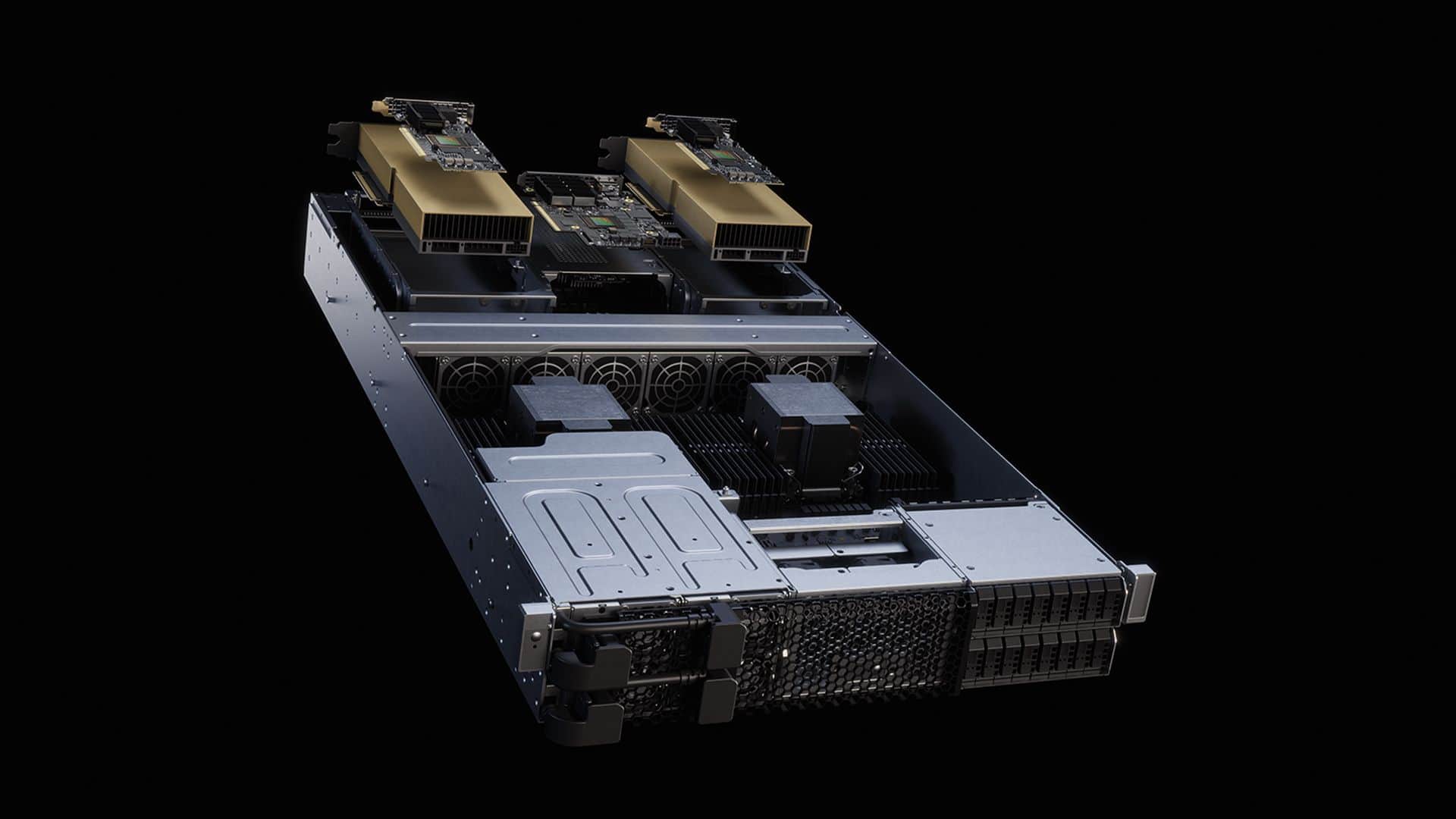
Image: TechRadar
Euclyd has raised €200 million ($231 million) in a Series A round co-led by Somerset Capital Partners, the Scaleup Europe Fund and Innovation Industries, with Samsung among the backers. The Netherlands-based chip startup is pursuing AI inference hardware and rack systems for enterprises, but its first commercial hardware is not expected to reach customers until 2028.
That leaves a long gap between funding and proof. Euclyd, founded in 2024, has not shipped a commercial chip, published performance figures, or described a manufacturing process, memory capacity, power target, software stack, or supported models. Customers and investors must assess its architectural claims before the hardware can be independently measured.
The company says its design differs from a conventional GPU at both the processor and memory layers. For inference, moving model weights through memory and between compute elements can determine throughput and cost. But Euclyd has not disclosed enough technical detail to assess its approach against Nvidia hardware: there are no stated bandwidth figures, latency results, model benchmarks, precision formats, or system-level power measurements.
“AI is becoming a foundation of economic growth, scientific discovery and national competitiveness, but its potential will remain constrained unless we fundamentally change the infrastructure beneath it.”
Two businesses, one unproven architecture
Euclyd intends to operate on two tracks. It plans to sell physical chips and complete rack systems directly to enterprises that want to run AI inference on premises, describing local deployment as a route to secure operation. It also plans to license its underlying intellectual property to companies that want to make chips based on Euclyd designs.
Those are different execution problems. Direct rack sales require system integration and enterprise support in addition to chip delivery. IP licensing requires customers to accept a design that has not yet appeared in commercial silicon. The company aims to serve thousands of enterprise customers by 2030, but it has not said how many systems it expects to ship, what they will cost, or which foundry will build the chips.
Samsung’s participation could provide more than financial investment. Kastrup said the company could benefit from Samsung’s memory manufacturing, systems engineering, supply-chain knowledge, and network.
“Samsung can help us in more ways than money. They are one of the biggest memory manufacturers in the world. They do a lot of engineering, they know a lot about systems, they know the supply chain, they have a huge network.”
The wording stops short of an announced manufacturing or supply agreement. Samsung’s investment does not establish that it will fabricate Euclyd’s processor, package its systems, or provide memory for production. Those distinctions matter because Euclyd’s pitch rests partly on redesigning the processor-memory relationship.
Memory is an advantage Euclyd has not yet secured
Samsung’s status as a major memory supplier could be useful, but the available reporting does not specify a technical collaboration. That ambiguity comes as Samsung expects the memory-chip shortage to last through at least 2028, the same year Euclyd says its first hardware will ship. A backer with memory expertise is not the same as an allocated supply of memory, especially when the startup has not identified its eventual production partners.
Euclyd is entering a field where the incumbent’s advantage is not just the chip. Nvidia sells accelerators and the infrastructure needed to deploy them at scale. Euclyd’s proposed alternative will need to demonstrate that a new architecture can deliver practical gains in complete enterprise racks, not simply offer a different processor design.
Other firms are also attempting to reduce dependence on Nvidia’s processors. Google, Amazon Web Services, and Meta are developing chips for internal AI use, while OpenAI has announced an in-house chip called Jalapeño. Euclyd’s approach differs by targeting external enterprise buyers and potential chip-design licensees rather than keeping its silicon solely inside a large cloud platform.
The 2028 delivery date is the real constraint
The funding round gives Euclyd runway, and Samsung offers an industry connection. Neither changes the central risk: commercial delivery is still two years away, while the company has disclosed no independently verifiable performance data or detailed specifications.
The dual strategy gives Euclyd more than one way to commercialize its architecture, but also multiplies the work required before 2028. The first meaningful test will be whether the company can disclose a chip and rack configuration that makes its processor-and-memory claims comparable with the systems enterprises can buy at that point.
Frequently asked questions
When will Euclyd ship its first AI chip?+
Euclyd says its first commercial hardware will reach customers in 2028.
What is Samsung’s role in Euclyd?+
Samsung is an investor in Euclyd’s €200 million Series A. Euclyd says Samsung can offer memory, engineering, supply-chain, and network expertise, but no manufacturing or supply deal was announced.
Has Euclyd published AI inference benchmarks?+
No performance figures, latency measurements, power targets, or model benchmarks were provided in the supplied reporting.

Editor-in-Chief
Sergey Kuznetsov is Head of Product at iXBT.com, one of the largest Russian-language technology media outlets, and the founder of itzine.ru. He has spent over a decade building and running tech newsrooms. At for(geeks) he sets editorial standards and reviews what ships.