• Updated • 2 min read
Windows 11 targets lower RAM use on 8 GB PCs
Microsoft is optimizing Windows 11 to use less RAM on affordable 8 GB laptops, but has not announced a release date.
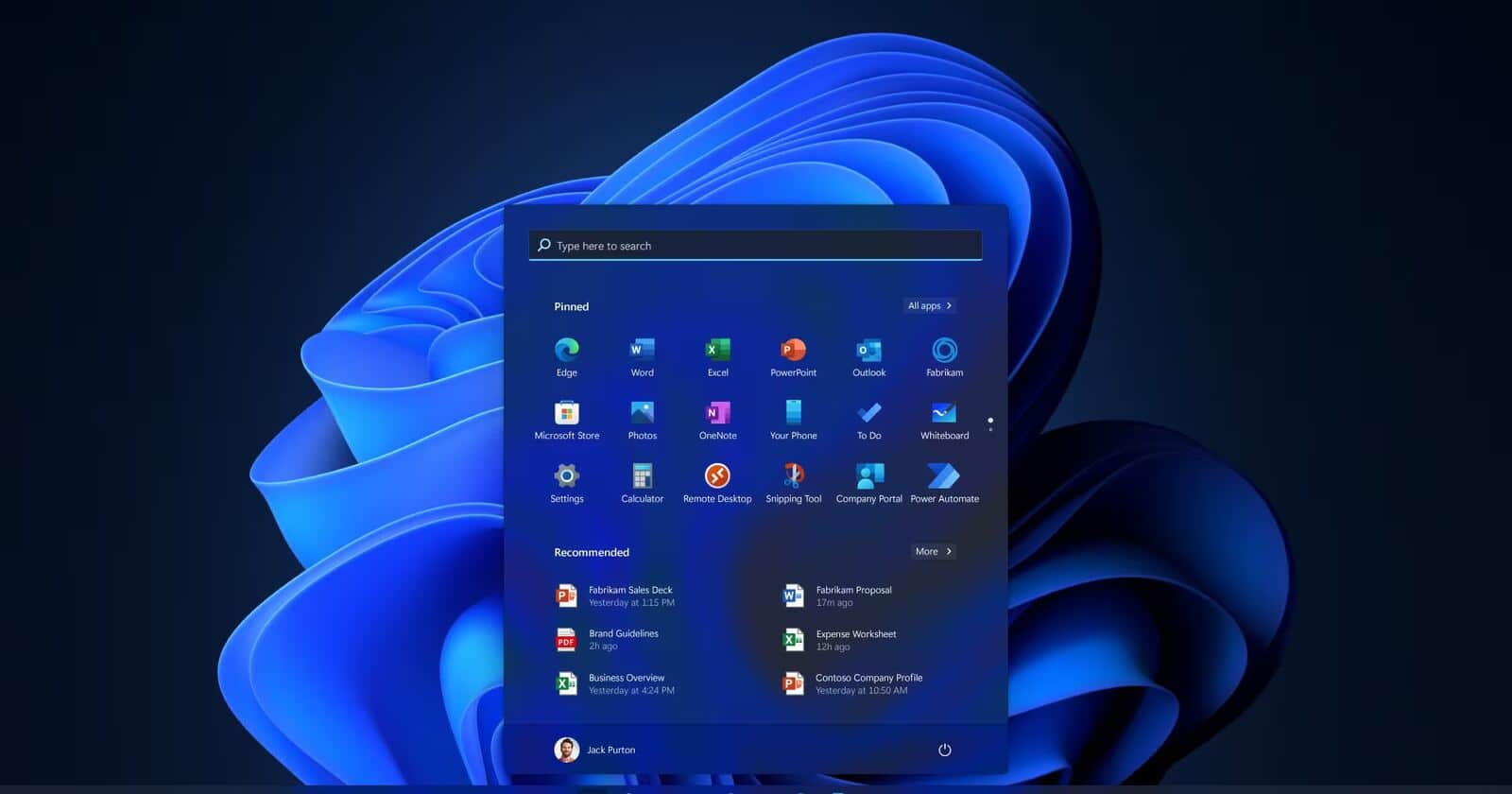
Image: ITzine
Microsoft is working to reduce Windows 11's memory use so the operating system runs more responsively on affordable laptops with 8 GB of RAM. The plan was disclosed by Pavan Davuluri, president of Microsoft’s Windows and Devices division.
The first target is the amount of memory consumed immediately after startup. By reducing the footprint of the Windows shell and background services, Microsoft expects to leave more RAM for applications and make switching between windows and browser tabs smoother.
What Microsoft plans to optimize
The company specifically pointed to WinUI 3 and the combination of Chromium and WebView2. These components underpin a significant share of modern Windows applications, so improvements could affect both the operating system and third-party software.
The effort is driven in part by rising memory costs. Demand from manufacturers of AI hardware is putting pressure on the DRAM market, while laptop makers are increasingly returning to 8 GB configurations to keep entry-level devices affordable.
Microsoft is not presenting 8 GB as a new Windows 11 standard. Its recommendations remain higher: users seeking reliable multitasking and support for modern applications should look to 16 GB or more.
Recommended reading
Windows 11's cleaner right-click menu hides a power-user cost
Computing Desk • • 3 min read
Release timing remains unknown
Microsoft has pursued similar work in earlier Windows versions, focusing on faster startup and reducing the load from background processes. The current effort shifts that priority toward the cost-sensitive laptop segment, where every gigabyte matters.
The company has not announced when the changes will reach a stable Windows 11 release. Their real-world impact will therefore have to be assessed through upcoming Windows 11 builds and testing on devices equipped with 8 GB of memory.
Marta Barinova is an editor on the news desk specializing in software analysis, streaming services, and policy changes at global technology platforms. She has written more than 140 articles covering Windows updates, changes to Spotify and Google, and antitrust regulation of app stores.
Update, 8 September 2026 — Microsoft confirms faster boot times at IFA 2026
At IFA 2026, Microsoft confirmed that future Windows 11 updates will include faster boot times. Mark Linton, head of Windows & Devices, said the company has already made significant progress on startup performance and Windows Hello responsiveness, with further improvements still expected. PCWorld reports that Linton also reaffirmed Microsoft’s commitment to improving Windows on systems with 8GB of RAM.
The entry-level Surface models Microsoft recently released have 8GB of RAM and 256GB of storage, according to the report. Microsoft has not provided a rollout date or specific feature list for the improvements; they are expected to arrive through future Windows updates.
A section byline, not a person: stories filed here by for(geeks) are held to the same editorial policy as every story we run.