• Updated • 5 min read
Sony’s disc decision raises questions about console game ownership
Sony plans to stop releasing games on discs in 2028, raising concerns about resale, access, pricing and PlayStation Store control.
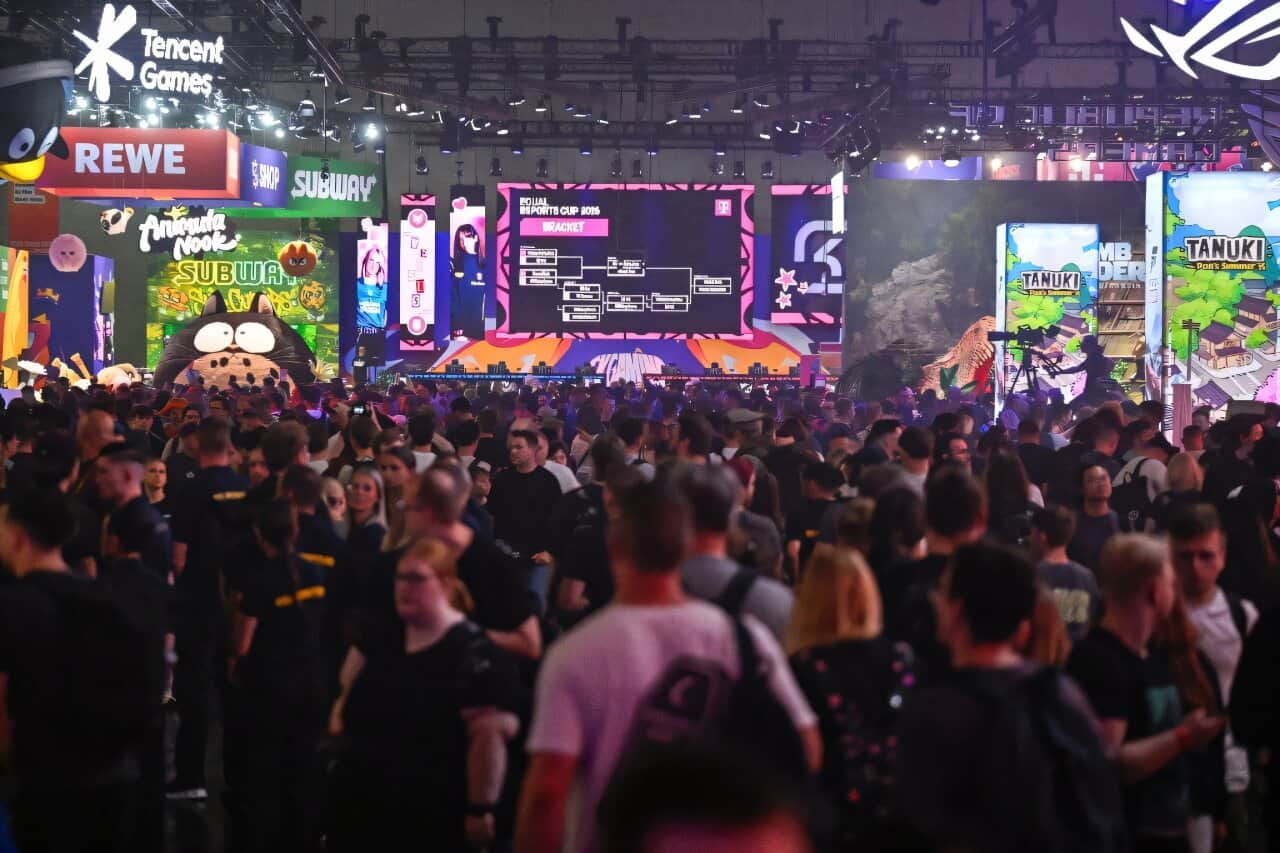
Image: TechXplore
Sony’s plan to stop releasing games on discs starting in 2028 has made Gamescom a debate over who controls a game after it is bought. The announcement has prompted boycott calls from players and retailers, even as Sony says digital downloads already represented nearly 82% of PS4 and PS5 game sales at the start of 2026.
The change follows Sony’s early July announcement that it would stop releasing games on discs. The company helped make console discs standard after the first PlayStation launched in the 1990s. Digital purchases eliminate manufacturing, shipping and retail distribution from the transaction while keeping the sale inside the platform owner’s storefront and network.
Joost van Dreunen, a professor at New York University’s Stern School of Business, said retail has historically taken 20% to 30% of the total margin on a disc sale. Digital distribution lets a platform holder avoid that cut, although the reporting does not establish whether Sony will pass any of those savings to customers.
“Digital distribution has very much been a replacement for physical carriers for the last 10 years.”
What disappears with the disc
For players, the issue is not simply whether a game arrives on plastic. Physical copies can be resold, lent and retained independently of a particular digital account or storefront. Thomas Bachellerie, a former game-shop manager in Lyon, said secondhand sales had sometimes represented almost a third of a store’s turnover. Digital games remove that resale market and make lending impossible.
Recommended reading
Nvidia’s DLSS 5 launches with one game and a high cost
Gaming & Internet Desk • • 6 min read
That concern is distinct from the legal question of ownership. Geoffray Brunaux, a lawyer specializing in digital law, said buyers generally receive a license to play rather than ownership of the game itself, regardless of whether the license is delivered on a disc or digitally. A physical copy can provide a more durable route to access, but it does not necessarily change the underlying legal rights granted by the publisher.
“Whether it is physical or digital, you never actually own the game.”
The distinction matters when publishers shut down services or withdraw games. In January, the European Commission received the Stop Destroying Videogames petition after it collected almost 1.3 million signatures. The campaign followed high-profile cases in which games were switched off and called for publishers to preserve some usable form of access after sales end.
There is also a preservation and personal-value argument that sales percentages don’t capture. One Gamescom attendee described carrying an Oblivion Collector’s Edition through 10 moves because the case retained emotional and sentimental value two decades after purchase.
Retail economics are already changing
Sony’s shift is arriving while some major releases still have a physical audience. French video game industry group SELL found in its 2025 report that physical sales accounted for 11% of France’s game market, but said titles including EA Sports FC 26 and Assassin’s Creed Shadows still sold hundreds of thousands of physical copies.
That remaining demand may not be enough to sustain broad retail infrastructure. A disc-free business gives Sony more control over distribution and margin, but it also moves pricing power away from stores and consumers. A digital game cannot be bought used at a lower price, shared with a friend or resold to recover part of its cost.
Clemens Istel, a spokesman for the boycott effort, argued that the commercial benefit would accrue to publishers rather than players:
“They don’t go digital to pass on savings to the consumer. They go digital to make more profit. And there is zero indication that the customer will benefit from this.”
The tension is especially visible with Grand Theft Auto VI, scheduled for release on November 19. Its physical box contains only a download code, according to the reporting, so the packaging does not provide the conventional offline or resale benefits associated with a disc. Bachellerie called that a bad sign for a game expected to remain relevant for 10 years and said there was little reason for a shop to sell such a product.
The unresolved antitrust question
Sony’s digital strategy also faces a legal challenge. The Dutch Stichting Massaschade & Consument consumer group is suing Sony, alleging that forcing PlayStation owners to buy through the PlayStation Store amounts to monopolistic conduct that drives up digital-goods prices.
The case could matter more after 2028, when Sony’s own storefront would become the primary route for new PlayStation game purchases. The reporting does not establish the lawsuit’s outcome, nor does it say whether Sony’s disc policy will apply identically in every market. The policy would shift resale, access and distribution decisions toward the platform that issued the license in the first place.
Update, 14 September 2026 — Plant output cut 10%, not 90%
TechRadar reports that Sony DADC has corrected reports about its Thalgau disc plant, saying its overall product volume will decline by 10%, rather than fall to 10% of its prior level. A Sony DADC spokesperson said the earlier wording had been misread.
The company also said publishers will be able to reorder existing disc-based games after production of new physical games ends in January 2028, and that PlayStation disc games already on shelves will remain on sale. Sony DADC did not answer a separate request about reports that all 300 plant employees would be retrained for other roles.
Frequently asked questions
When will Sony stop releasing PlayStation games on discs?+
Sony plans to discontinue game releases on discs starting in 2028. The reporting does not specify whether the policy will apply identically in every market.
Can physical PlayStation games be resold or lent?+
Physical games can be resold or lent, unlike digital games. However, a lawyer cited in the report says both formats generally provide a license rather than ownership of the game itself.
Will Sony lower digital game prices after ending discs?+
No price reduction has been announced. Boycott organizers argue that Sony and publishers will keep the additional margin rather than pass savings to customers.
Does GTA VI include a playable disc?+
The reporting says the physical GTA VI box contains only a download code. The game is due for release on November 19.
A section byline, not a person: stories filed here by for(geeks) are held to the same editorial policy as every story we run.