• 2 min read
OpenAI’s enterprise revenue overtakes ChatGPT consumer business
OpenAI says enterprise revenue has surpassed consumer revenue, with its annualized run rate reaching $40 billion ahead of its 2026 forecast.
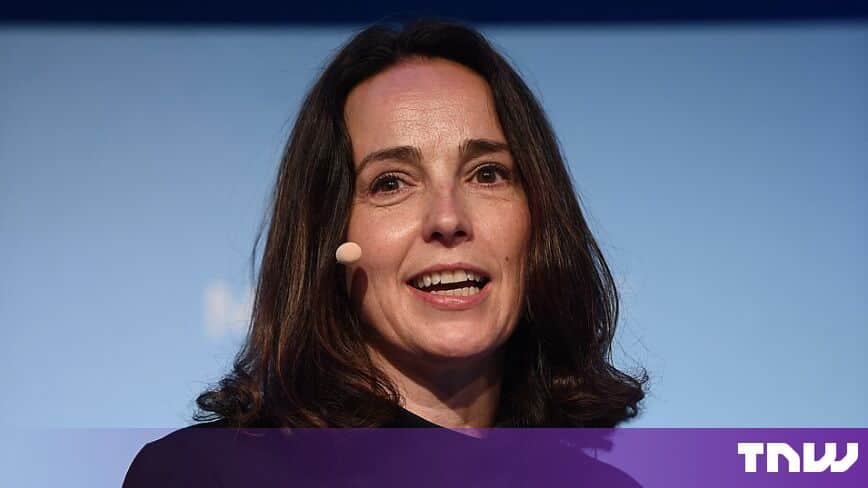
Image: Tnw
OpenAI’s enterprise business has overtaken its consumer business by revenue, months ahead of the company’s previous forecast. Chief financial officer Sarah Friar told shareholders on Friday, August 14, that enterprise now generates the majority of OpenAI’s revenue, according to TNW and CNBC.
“We entered the year at 60-40, but enterprise has accelerated much faster than expected and those lines have now crossed.”
OpenAI had previously expected its enterprise and consumer businesses to reach parity by the end of 2026. Its annualized revenue run rate has now reached $40 billion, roughly twice the level from a year earlier. Revenue rose 20% month over month in July, while business customers grew 32%.
OpenAI shifts toward enterprise efficiency
Friar said enterprise buyers are changing how they measure AI spending. Companies are moving away from allowing employees to consume unlimited model capacity without demonstrating results—a practice she called “tokenmaxxing”—and are instead tracking the **cost per unit of intelligence."
“Enterprise customers have moved from tokenmaxxing to focusing on cost per unit of intelligence.”
OpenAI is responding with lower model prices and efficiency improvements. Friar said the company’s newest model is 54% more efficient on agentic coding tasks, though the report does not identify the model or provide the underlying benchmark details.
Advertising is also becoming a meaningful revenue stream. OpenAI’s ChatGPT ad business is approaching a $1 billion annualized run rate, about six months after the company began testing ads in February 2026.

Recommended reading
Lambda’s IPO case depends on contracts funding the GPUs
Sergey Kuznetsov • • 9 min read
The investor meeting came amid several senior departures. Revenue chief Denise Dresser left after eight months, and longtime executive Brad Lightcap announced on Wednesday, August 12, that he was leaving OpenAI after eight years. President Greg Brockman credited Dresser with building the company’s enterprise foundation and praised her replacement, Dali Rajic, who was introduced to OpenAI through Thrive founder Josh Kushner.
Executives also faced questions about Chinese open-source models and a potential initial public offering. Brockman disputed the idea that open source is automatically cheaper, while executives said they could not discuss IPO timing because of a confidential filing with the SEC.
A section byline, not a person: stories filed here by for(geeks) are held to the same editorial policy as every story we run.