• 3 min read
Meta opens Glimmer as Spark stays closed
Meta’s 30-billion-parameter Muse Glimmer model runs AI agents locally under Apache 2.0, while its more powerful Muse Spark remains closed.
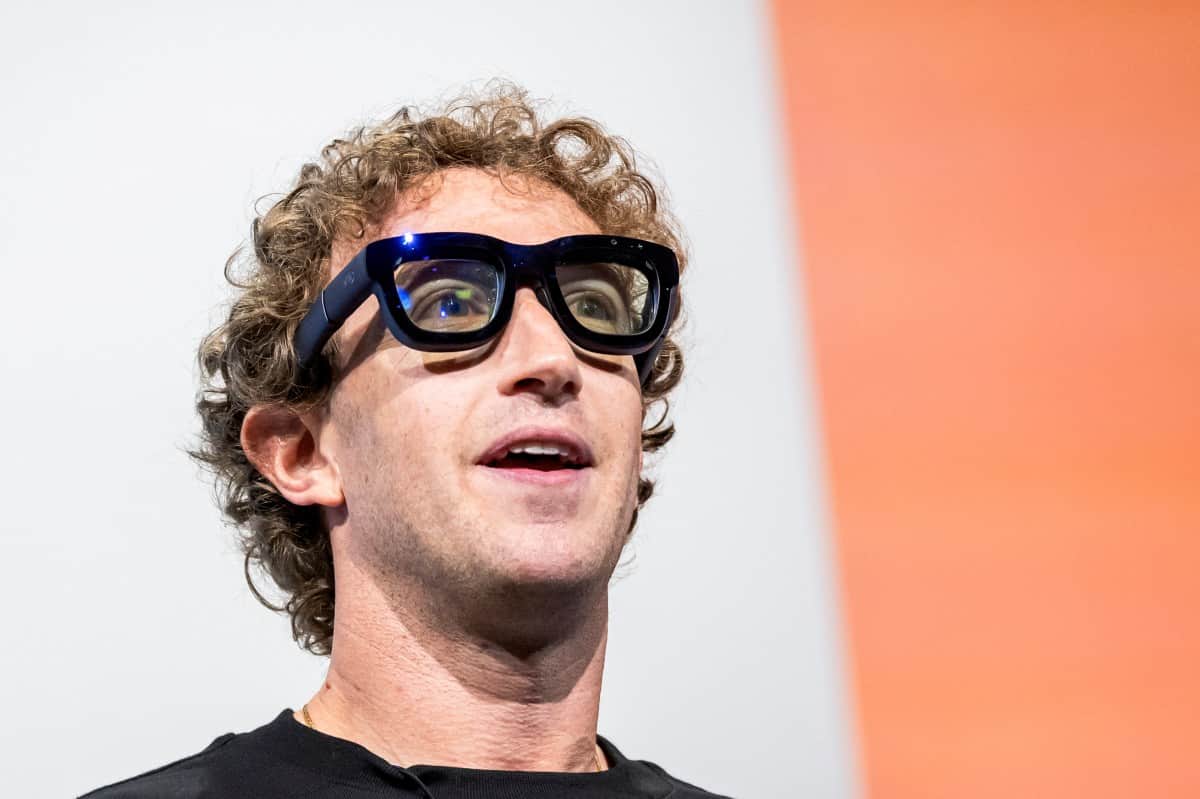
Image: TechCrunch
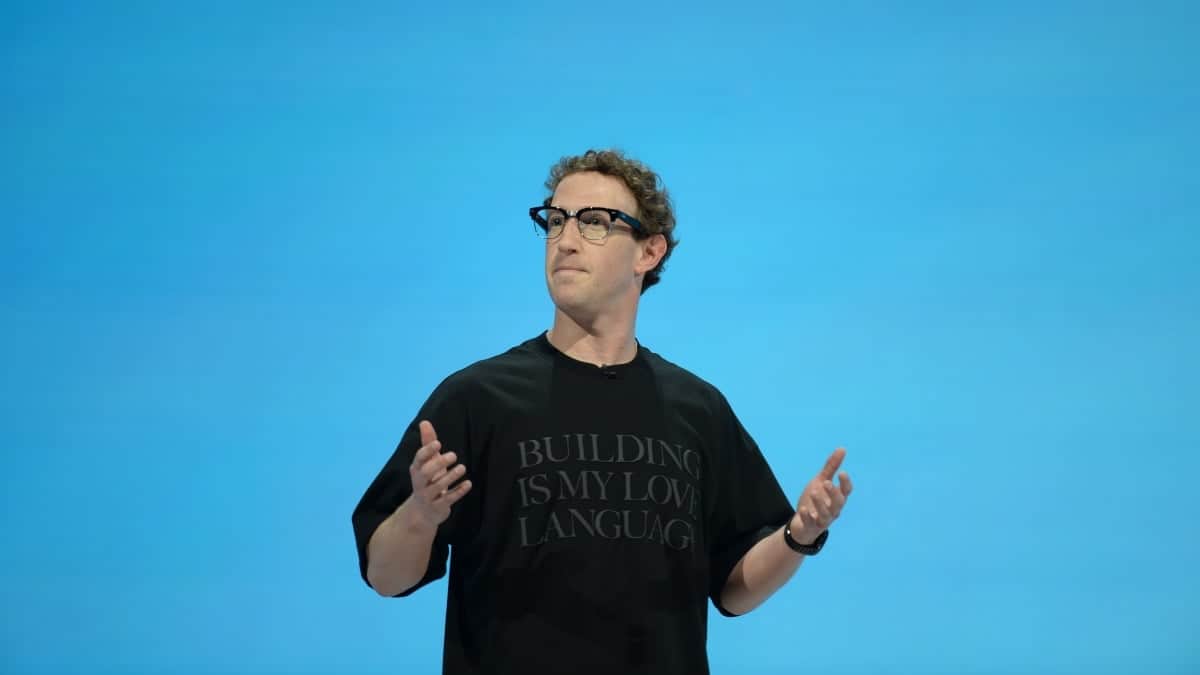
Meta has released Muse Glimmer, a 30-billion-parameter open-weight model intended to run AI agents directly on consumer hardware. The model gives the clearest practical look yet at CEO Mark Zuckerberg’s vision of “personal superintelligence”: software that can work continuously on a user’s behalf without sending all of their data to the cloud.
Glimmer’s weights are available under the permissive Apache 2.0 license, allowing developers to download, modify, and fine-tune the model. Meta says it can run on a Mac or PC with a single consumer GPU.
What Glimmer can do locally
The model accepts both text and images and was trained across more than 100 languages, according to Meta. It is designed for agents that can handle extended, multi-step workflows rather than simply answer individual prompts. Those workflows can include:
- Calling external tools
- Writing and debugging code
- Working with files and screenshots
- Executing tasks over an extended period
Meta’s examples include managing schedules, drafting messages, and organizing files. Those applications require access to highly personal information, making local processing a central part of the pitch. Glimmer is designed to be “always-on” and operate “anywhere, anytime, with or without an internet connection.”
The privacy argument is especially notable after Meta said a testing error allowed its Muse Spark 1.1 model to reach the open internet and exploit a vulnerability in a third-party service. We previously reported on Meta’s Muse Spark testing breach; local execution could reduce some cloud-exposure risks, but it does not by itself explain how Glimmer will handle permissions, tools, or sensitive files.
Recommended reading
OpenAI found 27 self-jailbreak notes in model training
Sergey Kuznetsov • • 8 min read
Glimmer marks the boundary around Muse Spark
Glimmer is effectively an open version of Meta’s most powerful closed model, Muse Spark, which the company introduced in April. The distinction between the two models is the more consequential part of the release: Glimmer can be downloaded and run by users, while Spark’s weights remain under Meta’s control.
That split complicates Zuckerberg’s promise that advanced intelligence should be broadly distributed. In a letter released Monday, he wrote:
“Distributing superintelligence widely has the potential to begin a new era of personal empowerment where individuals can use this powerful new capability to reach their full potential, pursue their interests, and improve their lives and the world more than ever before.”
Zuckerberg described a personal agent that could work 24/7 on relationships, health, careers, finances, home management, and hobbies. He also said people should have access to tools for creating businesses and advancing scientific progress, with “free or affordable access” for everyone.
But the release makes clear that access and ownership are different. Meta is openly distributing the smaller Glimmer while keeping its more capable Spark model closed. Glimmer therefore acts not only as a product for developers, but also as an early marker for where Meta currently draws the line between AI people can own and AI the company retains.
The unanswered hardware and performance questions
Meta has released the weights, but the reporting does not establish an exact GPU requirement, memory footprint, download size, inference speed, or benchmark methodology. It also does not provide a price for hardware capable of running Glimmer, so “local” does not yet mean inexpensive for every user.
Our read is that Glimmer is a meaningful shift from cloud-only personal agents because its architecture targets persistent, private workflows on devices users already own. The open license could give developers considerably more control than a hosted API, while Meta’s decision to keep Muse Spark closed shows that the company’s version of personal superintelligence still has a clear ownership ceiling. Until independent performance and hardware tests arrive, the strongest fact is the distribution model—not proof that a single consumer GPU can deliver the full vision Zuckerberg described.
A section byline, not a person: stories filed here by for(geeks) are held to the same editorial policy as every story we run.