• 2 min read
Kreios plans air-breathing satellites for 2028
Kreios Space plans to test an air-breathing electric propulsion system in 2028, using atmospheric gases to keep satellites in very low Earth orbit.
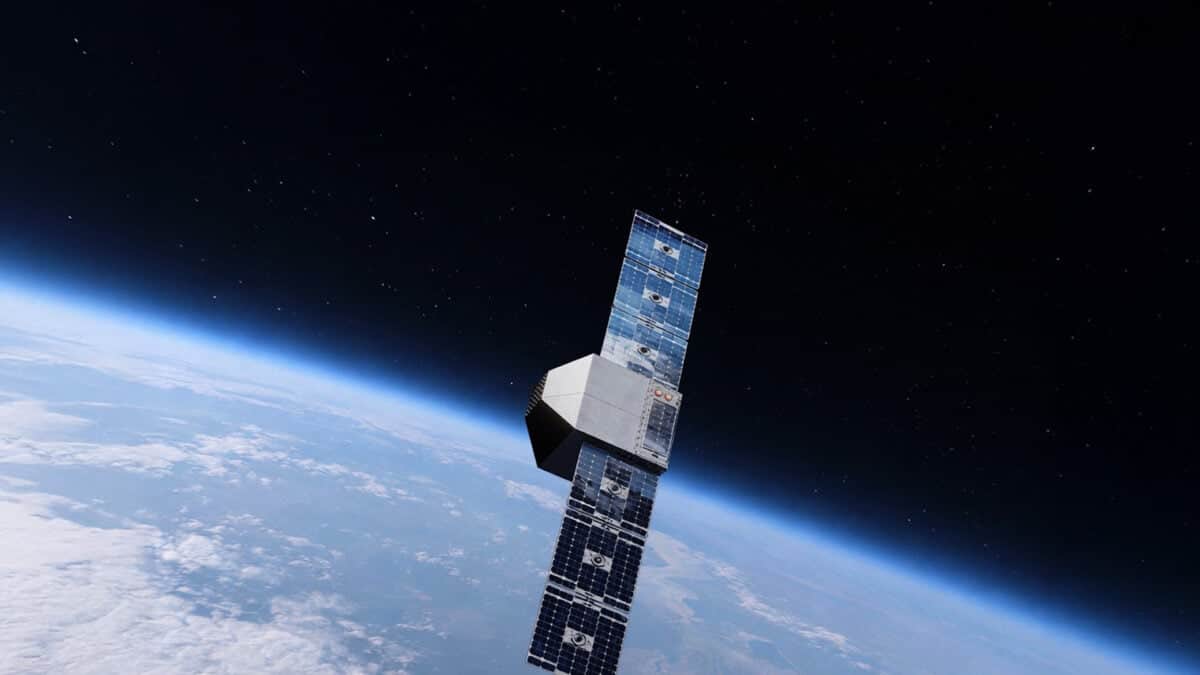
Image: Gizmodo
Satellites operating just 100 to 400 kilometers (60 to 250 miles) above Earth could soon receive a propulsion boost from the atmosphere itself. Spanish startup Kreios Space is developing an air-breathing electric propulsion system that collects residual oxygen and nitrogen, ionizes the gases, and expels them to generate thrust.
The system is scheduled for its first in-space test during a 2028 mission, Gizmodo reports. Kreios will pair the propulsion technology with a microsatellite bus from Lithuania-based Kongsberg NanoAvionics.
Very low Earth orbit, or VLEO, offers sharper Earth imagery, stronger communications signals, and smaller spacecraft components than higher orbits. It is also less crowded and contains less space debris than conventional low Earth orbit.
The drawback is atmospheric drag. At these altitudes, residual gases quickly pull satellites out of orbit, forcing conventional spacecraft to carry large quantities of propellant. That extra mass makes them more expensive and difficult to launch.
Recommended reading
SpaceX wants robot-run satellite factories on the Moon
Science & Mobility Desk • • 2 min read
Kreios' system is designed to avoid carrying that propellant. It would scoop up upper-atmosphere gases, heat them until they become ionized, then use the resulting flow as propulsion. The company tested a prototype in a laboratory in 2021.
The 2028 demonstration will also measure the surrounding environment and capture sub-meter-resolution visible and near-infrared (VNIR) images.
“Kreios is building the satellites that make sustained operations in Very Low Earth Orbit possible.”
China has also established a national industry alliance focused on demonstrating sustainable satellite operations in VLEO. Kreios' mission will determine whether its air-breathing approach can counter the drag that makes the orbit attractive—and difficult to maintain.
A section byline, not a person: stories filed here by for(geeks) are held to the same editorial policy as every story we run.