• 3 min read
Apple’s glass-heavy iPhone redesign survives
Apple’s glass-centric 20th-anniversary iPhone redesign reportedly remains on track for 2027 Pro models after a more extreme concept was scrapped.
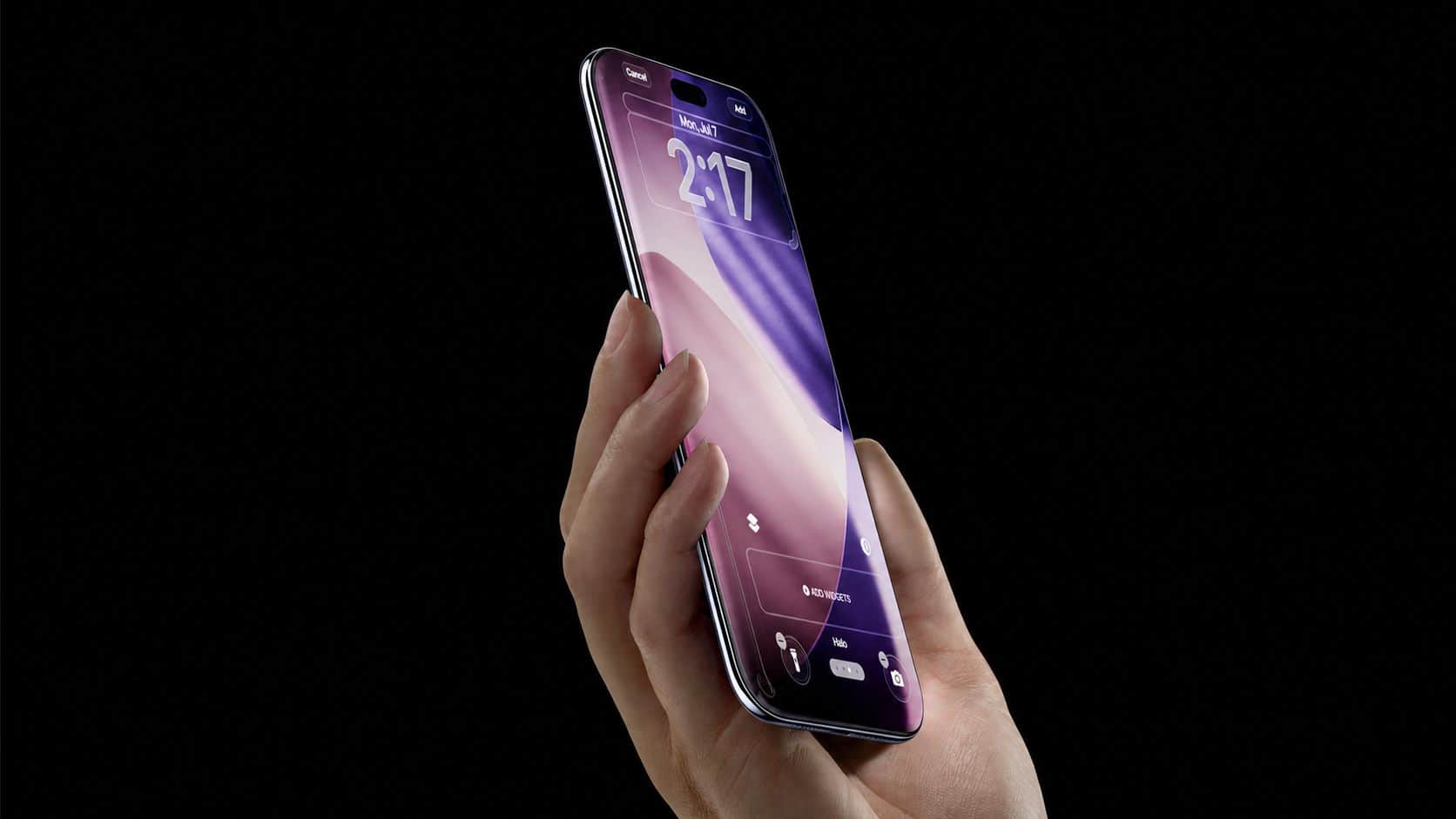
Image: MacRumors
Apple’s rumored 20th-anniversary iPhone redesign is still planned for 2027, despite a Jefferies report claiming the all-glass project had been canceled. Bloomberg’s Mark Gurman says Apple’s product roadmap remains unchanged and that next year’s iPhone Pro models are expected to adopt a substantially more glass-heavy exterior.
The reports diverge mainly over what Apple actually abandoned. Jefferies analyst Edison Lee said supply-chain checks pointed to the cancellation of the all-glass iPhone because of poor production yields. Bloomberg, as reported by MacRumors and 9to5Mac, describes a narrower outcome: Apple dropped an especially ambitious version early in development, but retained a glass-centric design for the Pro lineup.
What Apple’s glass-centric design changes
The models are reportedly known internally as V73 and V74. Their front and rear panels would use glass that curves around the sides, with a thin metal band remaining in the middle. That is not a completely metal-free phone, but it would create a more continuous glass appearance than current designs described in the reports.
The discarded concept went further. Apple’s design studio reportedly pushed for a version with even more glass and less metal, but the construction ran into problems where the glass panels had to connect. According to Bloomberg’s reporting, that structure did not hold up when Apple considered producing it at large volumes.
ITzine additionally reported that the failure appeared at the boundary between the glass panels during mass-production checks. That detail helps explain why the two accounts can both be accurate: a highly ambitious prototype may have been shelved because it was impractical to manufacture, while a less extreme glass-heavy design continued toward launch.

Recommended reading
iOS 27 ships Siri AI with daily limits and an old-branch patch
Sergey Kuznetsov • • 10 min read
“Apple’s product road map hasn’t changed.”
Jefferies' price and margin concerns
Lee’s report tied the alleged cancellation to Apple’s broader effort to introduce higher-priced iPhones while memory costs are rising. Jefferies said losing the design could make it harder for Apple to increase the average selling price and margins of the Pro models.
The firm downgraded Apple’s stock and reduced its price target from $285.56 to $263.66. That followed an earlier cut from $308.92 to $285.56 on July 31, after Apple reported its fiscal third-quarter 2026 results and issued what the reports describe as stern guidance for the fourth quarter.
That financial context is absent from Bloomberg’s product-roadmap framing, which focuses on the distinction between the canceled concept and the design still under development. The reporting therefore does not establish whether the final V73 and V74 models will cost more, improve margins, or materially change Apple’s average selling price.
What remains unknown about the 2027 iPhone
The reports do not provide a launch date, pricing, a final product name, or details about how the redesigned housing would affect durability, repairability, weight, or component placement. They also do not include an independently verified production-yield figure. The only production explanation supplied is that the more ambitious glass-panel design struggled to withstand large-scale manufacturing.
The key change, then, is not that Apple abandoned glass. It is that the company appears to have narrowed the scope of the design before production: the most extreme all-glass concept was scrapped, while a glass front and rear that wrap toward the sides reportedly remains on track for the 2027 Pro models.
Our read is that this looks like a meaningful industrial-design revision rather than a cosmetic rumor, but not the radical all-glass phone suggested by the earlier reports. Jefferies' concerns about pricing and margins matter only if Apple can turn the surviving design into a premium product without repeating the manufacturing problems of the abandoned version. Until Apple confirms the hardware, the production claim remains based on conflicting analyst and Bloomberg reports—not a public specification or independent manufacturing data.
A section byline, not a person: stories filed here by for(geeks) are held to the same editorial policy as every story we run.