• 6 min read
IFA 2026: Xiaomi CyberOne, Xpeng flying cars and a 380-product AI home
At IFA 2026, Chinese electronics makers showed Xiaomi’s 380-product ecosystem, humanoid robots, AI homes, electric vehicles and flying cars.
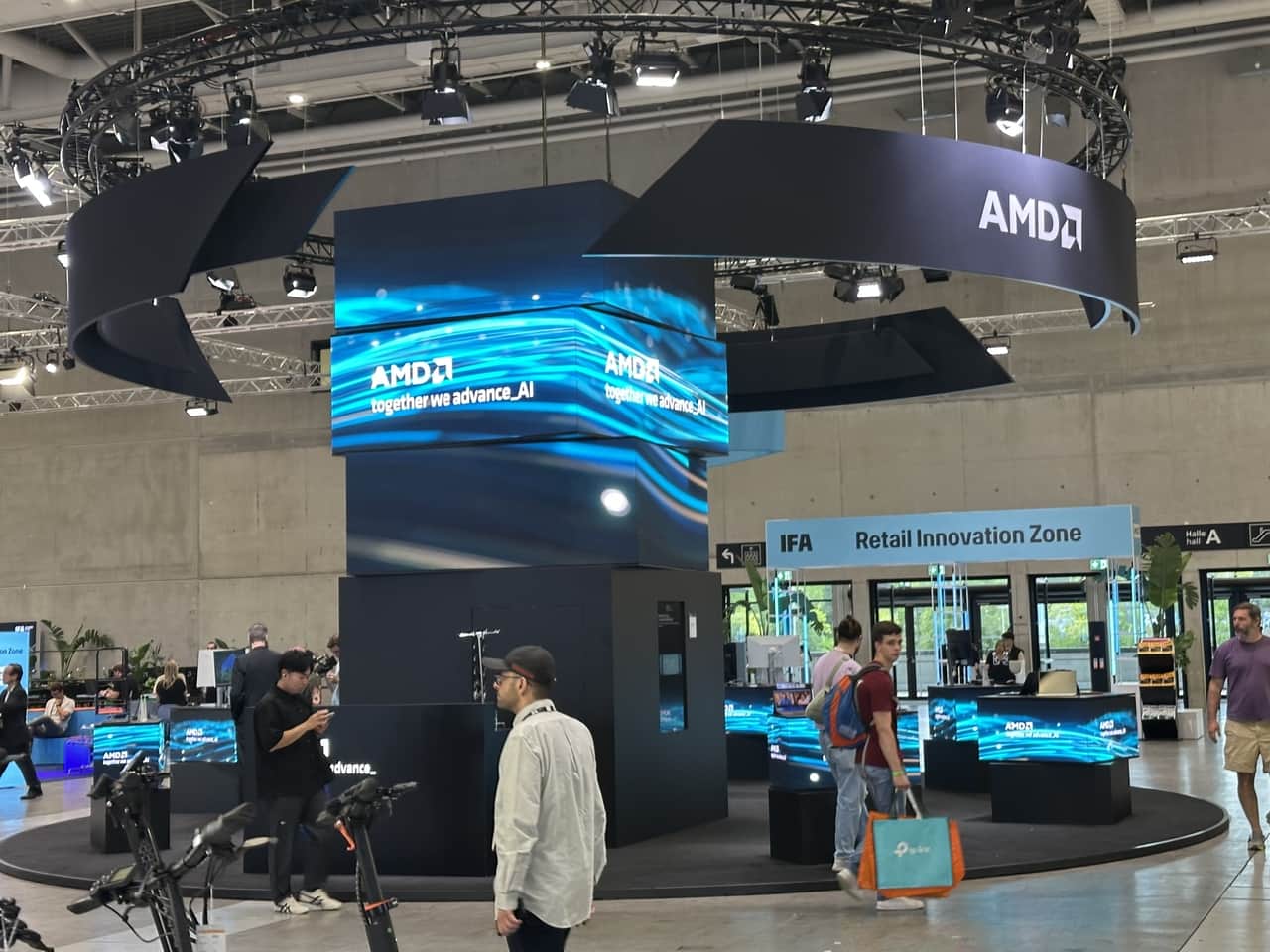
Image: Biz Heraldcorp
Chinese electronics companies used IFA 2026 to show ambitions beyond phones and televisions. Xiaomi brought a 3,300-square-meter booth and roughly 380 product lines. Xpeng displayed electric vehicles and flying cars, while Xiaomi’s CyberOne humanoid robot interacted with visitors.
The event opened in Berlin on September 4, with IFA running through September 8. Its theme, “The Future Is Now,” matched a show floor focused on connected homes, physical AI, mobility and premium hardware rather than conventional appliance launches alone.
Xiaomi makes the AI home a cross-device system
Xiaomi, which made its IFA debut this year, placed its booth at the center of the exhibition hall. The company presented a connected system spanning people, cars and homes, built around its MiMo large language model and Xiaomi HyperOS operating system.
One demonstration showed a vehicle detecting an approaching driver, switching on a lamp and opening the driver-side door. Another used a home camera to identify the living environment and control a television, air conditioner, air purifier, floor lamp and curtains. Xiaomi’s pitch is a system that coordinates actions across the day, from returning home and cooking to cleaning, resting, watching content and organizing files on a phone or computer.
The clearest example was CyberOne, Xiaomi’s humanoid robot. The company showed it responding to gestures, raising its fingers and making a hand-heart gesture with visitors. Xiaomi said the robot has been deployed at its electric-vehicle plant, connecting the demonstration to an existing industrial setting rather than presenting CyberOne solely as a consumer concept.
The booth also showed the scale of Xiaomi’s product range. Its approximately 380 product lines covered more device categories than a typical single-category launch, but the company did not provide US pricing, release dates or a list of which products will be sold in the United States at IFA.
Chinese brands bring AI into appliances and premium displays
TCL built its presentation around NXTHOME, a concept combining smart displays, appliances and intelligent home management. Hisense showed its Companion Living platform, which links televisions with refrigerators, washing machines and air conditioners through its V AIOS operating system and AI Companion Suite.
The demonstrations put Chinese manufacturers alongside Samsung and LG in premium categories. Reporting from the show floor found OLED televisions from Chinese and Korean companies difficult to distinguish visually in the demonstrations, while Xiaomi, TCL and Hisense showed combinations of televisions, air conditioners and other appliances.
That is a claim about showroom presentation, not an independent picture-quality test. No source supplied lab measurements, panel specifications, pricing or US availability for the televisions shown at IFA, so the event does not establish parity in calibrated performance or value.
German appliance maker Miele applied a similar idea to its own products. Its G8 Diamond dishwasher uses an AI camera to recognize the type and load of dishes, adjust washing modes and options, dispense detergent and support hot-air drying. The W2 washing machine adapts wash cycles to the laundry load and the user’s living patterns, while the Culinary Coach cooking assistant provides guided instructions and can send the required settings directly to an oven.
These examples show a practical distinction in the AI-home pitch. Xiaomi and Hisense emphasize a common software layer spanning many device categories; Miele’s examples focus more narrowly on sensing and automating a specific appliance. Neither source establishes whether the systems work across brands or require each company’s own hardware and software ecosystem.
Robots move from a side exhibit to a major category
IFA’s robotics presence also expanded. Nearly 300 companies and institutions from 25 countries participated in the robotics program, described as the largest number of robot manufacturers at the event to date. Chinese humanoid-robot makers Unitree, Agibot and Engine AI appeared in the IFA Next zone, while Qualcomm demonstrated a humanoid robot developed with Vietnamese robotics company VinMotion.
Qualcomm’s presence tied robotics to the broader push for “physical AI”: systems that interpret an environment and act in it rather than merely generate text or images. The material supplied for IFA does not include robot prices, production schedules, battery endurance, payload figures, autonomy limits or independent evaluations. Visitors saw prototypes and demonstrations, not a confirmed consumer product category with a shipping timetable.
AMD made a related argument from a different direction. The chip company delivered a keynote titled “The Era of Personal AI,” but its Retail Innovation Zone booth focused mainly on gaming PCs using AMD central processing units. The company said it wanted to show its gaming expertise as well as its AI work.
“AMD is well known as an AI company, but we have also built deep expertise in gaming over many years. AMD chips power consoles like Xbox and PlayStation, and we want to introduce that side of our work here.”
Mobility fills the space Samsung left behind
The physical layout of IFA made the change in industry balance visible. Samsung Electronics moved its main exhibition from CityCube Berlin to Humboldt Carré in central Berlin, saying the dedicated site would provide closer service to business-to-business customers. Samsung has participated in IFA since 1991 and had occupied CityCube alone since 2014; its booth covered 6,000 square meters as recently as 2025.
Dozens of companies moved into the space this year. NAVEE, an electric-scooter company founded in 2021 and affiliated with Dreame, had the largest booth in CityCube and displayed both the NAVEE and Dreame names. Xpeng used another large installation to show electric vehicles and flying cars. The company, founded in Guangzhou, is known in China for work on urban air mobility, and its vehicles drew crowds at the show.
| Period | Samsung’s IFA exhibition position |
|---|---|
| 1991 | First participation, with a 43-square-meter booth |
| 2014 | Began occupying CityCube Berlin exclusively |
| 2025 | Booth covered 6,000 square meters |
| 2026 | Main exhibition moved to Humboldt Carré in central Berlin |
The move did not mean Samsung disappeared from Messe Berlin. The company remained the main sponsor of the IFA Creator Hub and operated a Samsung AI Escape Room intended to let visitors try its AI features. Samsung’s broader “Companion to AI Living” strategy also featured in its separate IFA 2026 showcase, connecting TVs, Galaxy devices, appliances and gaming monitors under one ecosystem.
CityCube’s second major section, the Retail Innovation Zone, included AMD and many business-to-business meeting areas. The hall reportedly felt sparser than in previous years despite the arrival of large Chinese exhibitors, suggesting that booth size alone is not a measure of retail momentum.
The change is who is using the space and what they are demonstrating. NAVEE and Xpeng brought mobility into a hall once dominated by a single consumer-electronics company; Xiaomi used its debut to connect cars, appliances and software; and robotics manufacturers made physical interaction one of the show’s central themes. None of those demonstrations resolves the practical questions for US buyers—price, availability, interoperability and support—but they show the categories Chinese companies want to compete in next.
Frequently asked questions
What did Xiaomi show at IFA 2026?+
Xiaomi debuted a 3,300-square-meter booth with approximately 380 product lines, including its MiMo and HyperOS ecosystem, connected-home demonstrations and the CyberOne humanoid robot.
Will Xiaomi’s IFA 2026 products be sold in the US?+
The supplied reporting does not provide US pricing, release dates or a product-by-product US availability list.
What did Xpeng display at IFA 2026?+
Xpeng showed electric vehicles and flying cars in a large CityCube Berlin booth.
Why did Samsung move its IFA exhibition?+
Samsung moved its main exhibition from CityCube Berlin to Humboldt Carré in central Berlin to provide closer, dedicated service to business-to-business customers.

Editor-in-Chief
Sergey Kuznetsov is Head of Product at iXBT.com, one of the largest Russian-language technology media outlets, and the founder of itzine.ru. He has spent over a decade building and running tech newsrooms. At for(geeks) he sets editorial standards and reviews what ships.