• 2 min read
Google brings Android age signals worldwide
Google will roll out its Play Signal API worldwide by year-end, letting Android apps use opt-in age ranges without accessing users' birth dates.

Image: TechCrunch
Google will make its Play Signal API available worldwide by the end of 2026, giving Android developers a way to identify younger users without accessing sensitive personal data such as dates of birth.
The technology is already available in Brazil. Google said the next expansion will reach Australia and Canada by mid-August, followed by a rollout to all markets by the end of the year. The announcement comes as lawmakers and regulators increasingly pressure app stores to strengthen protections for minors.
How Google’s age signal works
Play Signal provides apps with a user’s age range, rather than their exact birth date. Parents can share their child’s age range with apps, while adults can also provide their age when prompted by a developer. Apps that incorporate the signal can then tailor their experiences accordingly.
Google is centralizing the process in Family Link, its parental-controls dashboard. Parents will not need to manage the setting separately in every app: after entering the information once, any participating developer can access the age-range signal.
Recommended reading
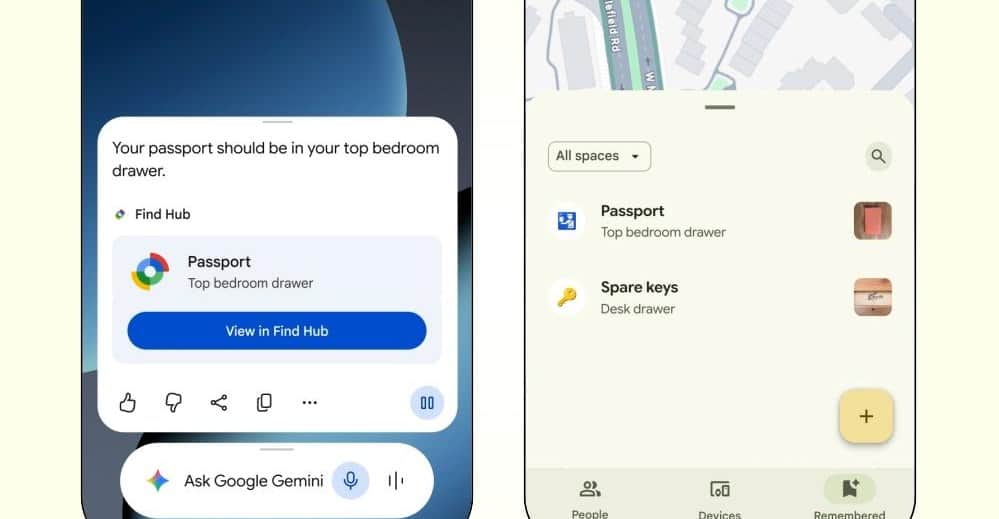
Gemini can now remember where you put things
Computing Desk • • 4 min read
The information is not shared by default. Parents must opt in by initially entering their child’s age range, and developers must choose to integrate the API.
Google’s Android safety tools
Play Signal joins other safety controls already available on Google Play. Developers can use those tools to restrict a child’s ability to discover their apps, while parents can use Family Link to:
- Set screen-time limits
- Approve app downloads
- Apply PIN-based content filters to specific apps
Google’s approach follows Apple’s rollout of age-verification tools worldwide in February 2026, which Apple introduced to comply with the growing number of age-verification laws. The source does not specify whether Google’s global rollout will require additional changes for individual markets or provide a release date more precise than the mid-August expansion to Australia and Canada.
A section byline, not a person: stories filed here by for(geeks) are held to the same editorial policy as every story we run.