• 5 min read
Zuckerberg promises personal superintelligence for everyone
Zuckerberg promises personal superintelligence for everyone, but Meta’s manifesto leaves pricing, timing, safeguards, and trust unresolved.
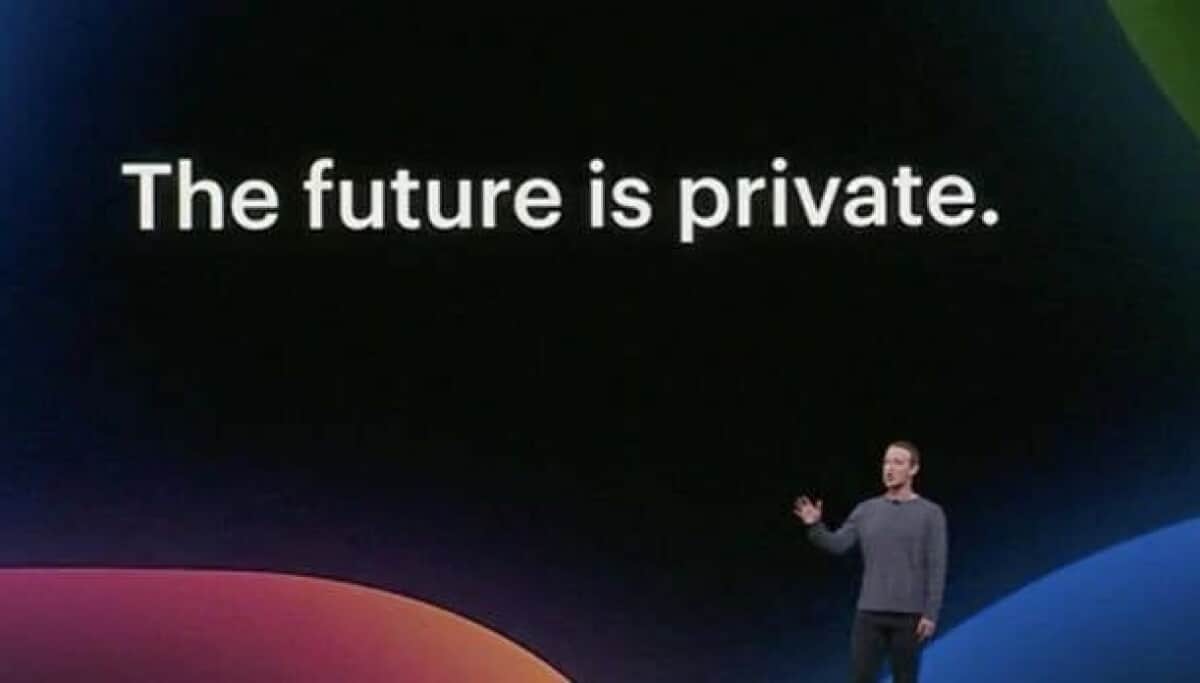
Image: The Register
Mark Zuckerberg’s latest AI manifesto promises personal superintelligence for everyone, but offers few concrete answers about how Meta will make that future trustworthy, affordable, or safe.
Published Monday, the roughly 6,500-word essay expands on ideas Zuckerberg has previously discussed on Meta earnings calls and in an earlier version published by The Wall Street Journal. Its central argument is that advanced AI should not remain controlled by a small group of institutions. Instead, Meta wants to build personal AI systems that give individuals more power over their work, education, businesses, communities, and creative lives.
“The defining questions of our age are who will have access to superintelligence and what will we direct it towards. Will it be centralized and restricted to a few institutions, or will it be a tool that empowers everyone?”
Meta’s vision for personal superintelligence
Zuckerberg’s essay describes AI assistants that could handle personal content, help people create businesses, provide personalized education, and offer legal support. He says the systems will include strong privacy and security controls, comparing the protection of personal data to WhatsApp encryption.
The education example is especially expansive: every person, he writes, could have a personalized tutor and coach with a PhD in every subject and unlimited patience. Adults could use the same kind of assistant to learn job skills, languages, hobbies, or other subjects.
TechCrunch’s critique is that this is less a distant vision than a description of products that already exist in rudimentary form, including ChatGPT, Claude, and Gemini. Those tools can help users understand a topic, but the outlet says they are also being used to avoid learning by writing homework and essays. Because there is no robust watermarking system, teachers cannot reliably determine whether submitted work was generated by AI.
Recommended reading
Meta’s frontier claim faces a subscription test
Sergey Kuznetsov • • 12 min read
Zuckerberg also argues that universal access to AI lawyers could make the legal system fairer. If everyone had comparable assistance, he suggests, the imbalance between litigants with different resources would shrink. TechCrunch counters that widely available legal AI could instead increase bureaucratic complexity or create a flood of vexatious claims that overwhelm courts.
The difference in emphasis between the two outlets is significant. TechCrunch focuses on unintended consequences in existing consumer AI products and on Zuckerberg’s failure to acknowledge them. The Register, writing more sharply as an opinion outlet, focuses on the gap between Zuckerberg’s egalitarian language and Meta’s commercial power, wealth, and record on privacy.
Free access, paid compute, and open models
Meta’s proposed business model is freemium. Zuckerberg says free versions of the tools will reach billions of people, while users who want additional computing power will pay for it through a dynamic auction mechanism. He argues that auctions would produce the lowest possible price while directing scarce capacity toward whatever users collectively value most.
“Everyone will have free or affordable access to these tools … We will offer free versions that will be accessible to billions of people.”
TechCrunch notes that dynamic markets for spot computing already exist, but argues that exposing consumers to changing compute prices would create a poor experience for anyone relying on AI for work. Consumer services generally shield users from the underlying spot price of compute; Zuckerberg’s essay does not explain whether Meta actually intends to pass that volatility directly to them.
The Register describes the plan more bluntly: access may be universal in theory, but distribution and monetization would still run through Meta and other cloud providers that must pay for data-center capital expenditure. The outlet also highlights Zuckerberg’s call to avoid restricting access to leading open-source models, arguing that such restrictions would reduce the quality of accessible AI and concentrate power.
That argument sits awkwardly beside Meta’s own plans to sell more compute-intensive access. The manifesto presents openness and commercialization as compatible, but it does not provide prices, usage limits, auction rules, or details on how free users would be protected from capacity shortages.
Trust is the unresolved problem
The essay repeatedly frames AI as a force that can distribute power. Zuckerberg writes that the arc of human civilization has bent toward putting more power in people’s hands, and that superintelligence could accelerate that trend.
Both reports argue that the rhetoric does little to address why many people distrust the companies building these systems. TechCrunch points to a recent survey in which 64 percent of Americans said social media had harmed democracy, with a similar share supporting heavier regulation. It also reports that a court fined Meta $567 million over harm to children.
The Register links that credibility problem to Zuckerberg’s earlier declaration that “The Future is Private” in 2019, despite Facebook’s dependence on an advertising model built around personal data. It also criticizes Meta’s privacy reputation in connection with its smart glasses, which detractors have called “pervert glasses.”
Zuckerberg’s essay does not give a release date for the proposed personal superintelligence systems. It also does not settle how Meta would verify its privacy claims, measure the promised educational or legal benefits, or prevent the documented misuse patterns around current chatbots.
Our read is that Meta’s access argument is stronger than its trust argument. Free tiers and open-weight models could widen access, but a compute auction, unclear safeguards, and broad promises about privacy do not explain why users should trust Meta with more of their personal lives than they already do. Until the company supplies concrete pricing, deployment dates, and evidence that its systems address rather than repeat current harms, the manifesto reads less like a product plan than a defense of Meta’s right to shape the future it says will belong to everyone.
A section byline, not a person: stories filed here by for(geeks) are held to the same editorial policy as every story we run.